A poor selection can lead to wobbly fixtures, splashing water, or, in worst-case scenarios, a complete inability to install the unit due to subfloor constraints. As a dedicated manufacturer of premium bathroom fixtures, we understand the engineering behind the chrome.
This guide will walk you through everything you need to know—from the latest faucet options for freestanding tubs and inspiring design ideas to the technical realities of installing them on a concrete slab.
What is a Freestanding Tub Faucet Floor Mount System?
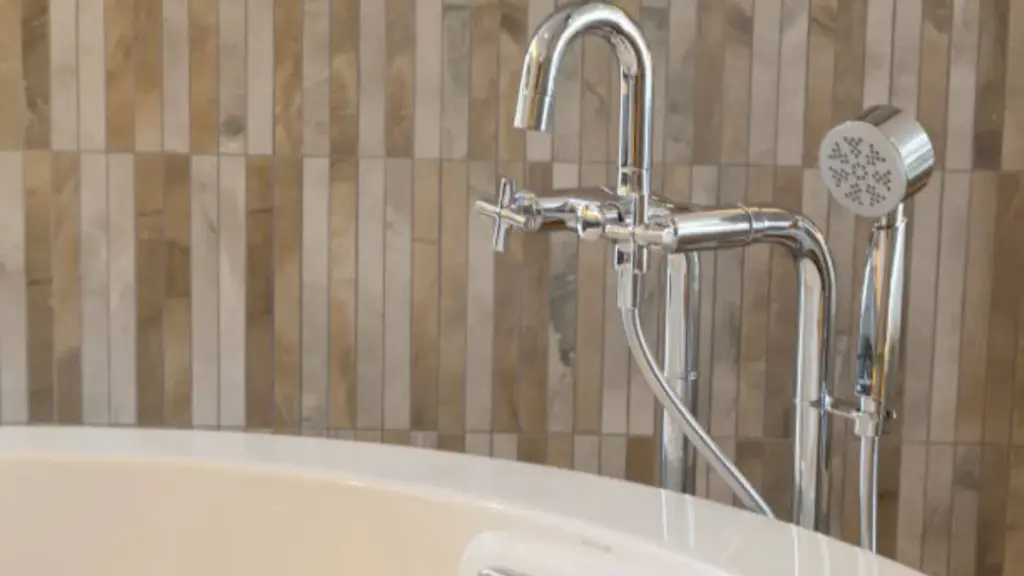
A freestanding tub faucet floor mount (often called a floor-mounted tub filler) is a plumbing fixture that is anchored directly to the bathroom floor, rising vertically to deliver water into a standalone bathtub. Unlike wall-mounted faucets that hide plumbing behind drywall, or deck-mounted faucets that sit on the tub’s rim, floor-mount systems are completely exposed.
It also means the installation is more complex. The plumbing lines must come up through the floor, requiring precise rough-in work before your tile is ever laid. While wall-mounted options save space, they limit where you can place your tub. A floor-mount system offers the ultimate freedom to position your tub in the center of the room, near a window, or angled in a corner, untethered by walls.
Single Post vs. Double Leg Styles
When exploring the market, you will encounter two primary structural designs:
- Single Post (Monopoint): This style features a single tube rising from the floor which houses both hot and cold water lines internally. It offers a sleek, minimalist profile ideal for modern bathrooms. However, because it relies on one anchor point, the quality of the internal mounting bracket is paramount to prevent swaying.
- Double Leg (Dual Post): This traditional design uses two separate riser pipes (legs) for hot and cold water, which join at the bridge of the faucet. Reminiscent of Victorian-era plumbing, double-leg fillers are inherently more stable due to having two anchor points but take up slightly more visual space.
Spout Configurations: Gooseneck vs. Waterfall
Functionality dictates the spout shape. A Gooseneck (High-Arc) spout provides ample clearance, making it easier to maneuver if you are bathing children or pets. In contrast, a Waterfall (Open Trough) spout delivers a wide, cascading sheet of water. While visually stunning, waterfall spouts often have lower pressure and are more prone to splashing if the water flow rate is too high for the trough depth.
Trending Faucet Options for Freestanding Tubs
The market is flooded with choices, but distinguishing between a trendy item and a timeless fixture is key. When looking for faucet options for freestanding tub setups, consider how the finish and silhouette will age with your bathroom.
Modern Minimalist Ideas: Matte Black Floor Mounts
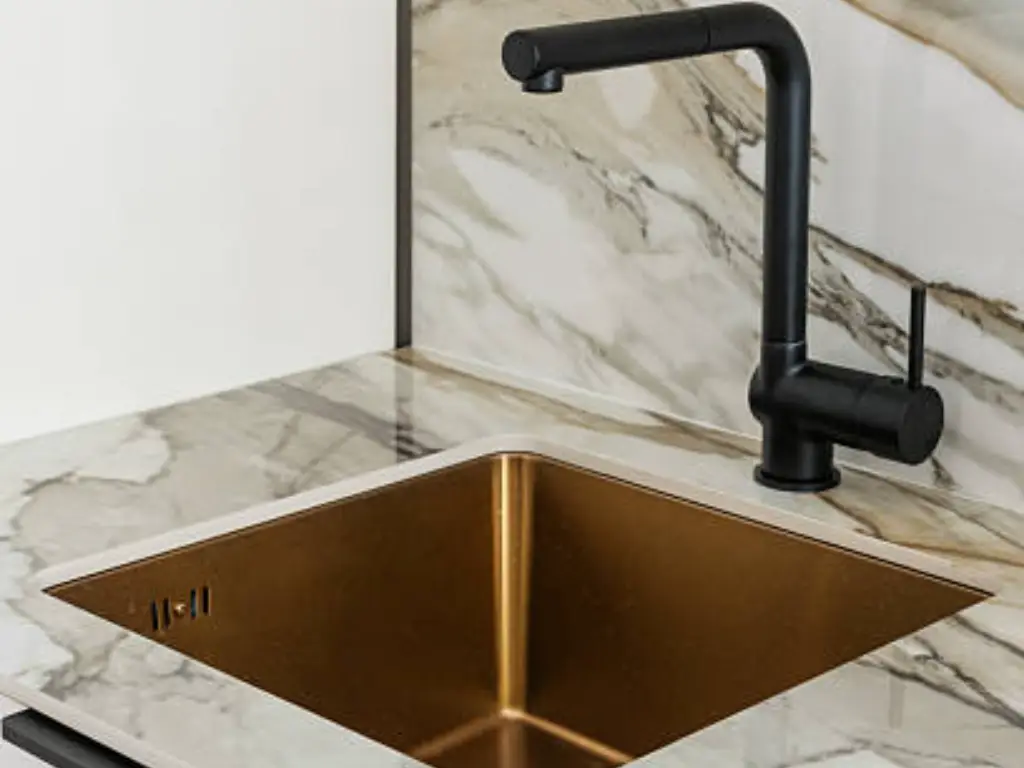
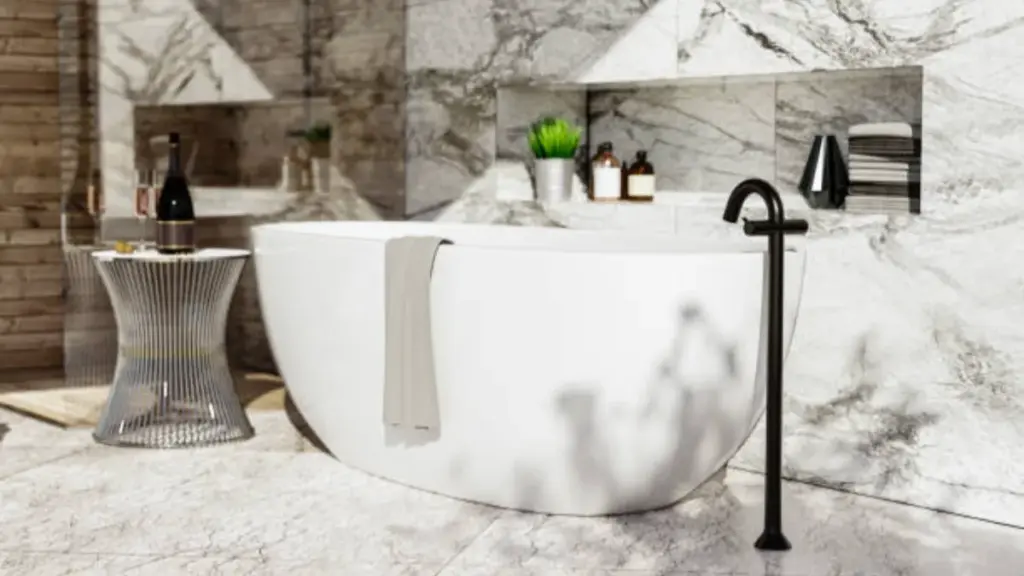
For contemporary spaces, Matte Black remains the dominant trend. A single-post, matte black filler creates a striking contrast against a white resin tub. This look is defined by sharp 90-degree angles or perfect cylindrical curves, stripping away all ornamentation. It is an excellent choice for industrial or Scandi-style bathrooms where simplicity is luxury.
Vintage Charm: Oil Rubbed Bronze Telephone Fillers
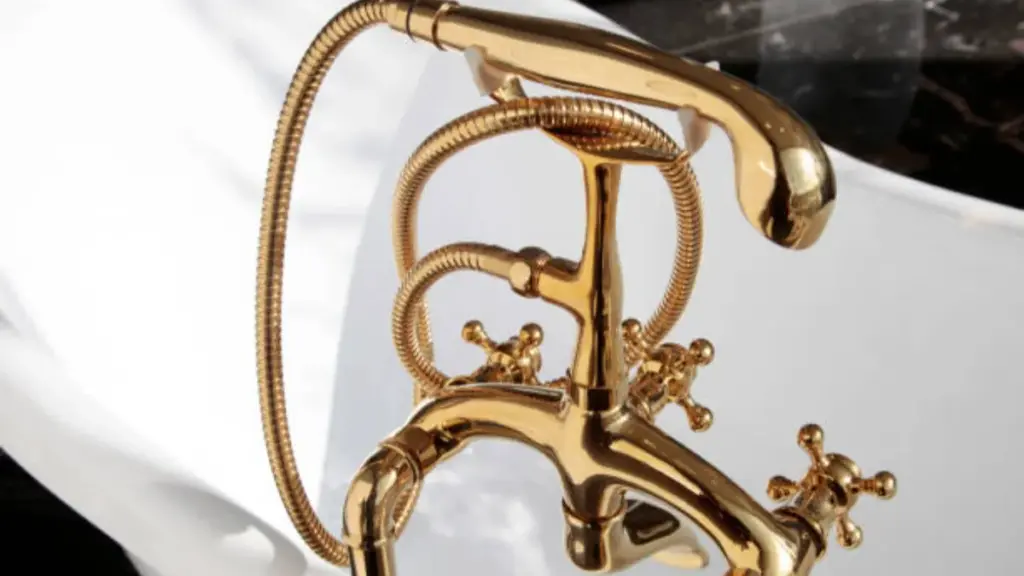
If you are restoring a farmhouse or aiming for a classic aesthetic, the “telephone style” hand shower is iconic. Usually found in Oil Rubbed Bronze or Brushed Nickel, these freestanding tub faucet ideas feature a cradle holding a handheld sprayer that resembles an old-fashioned telephone receiver. These units often use the double-leg structure, adding to their authenticity and rigid stability.
Luxury Spa Vibes: Brushed Gold and Waterfall Features
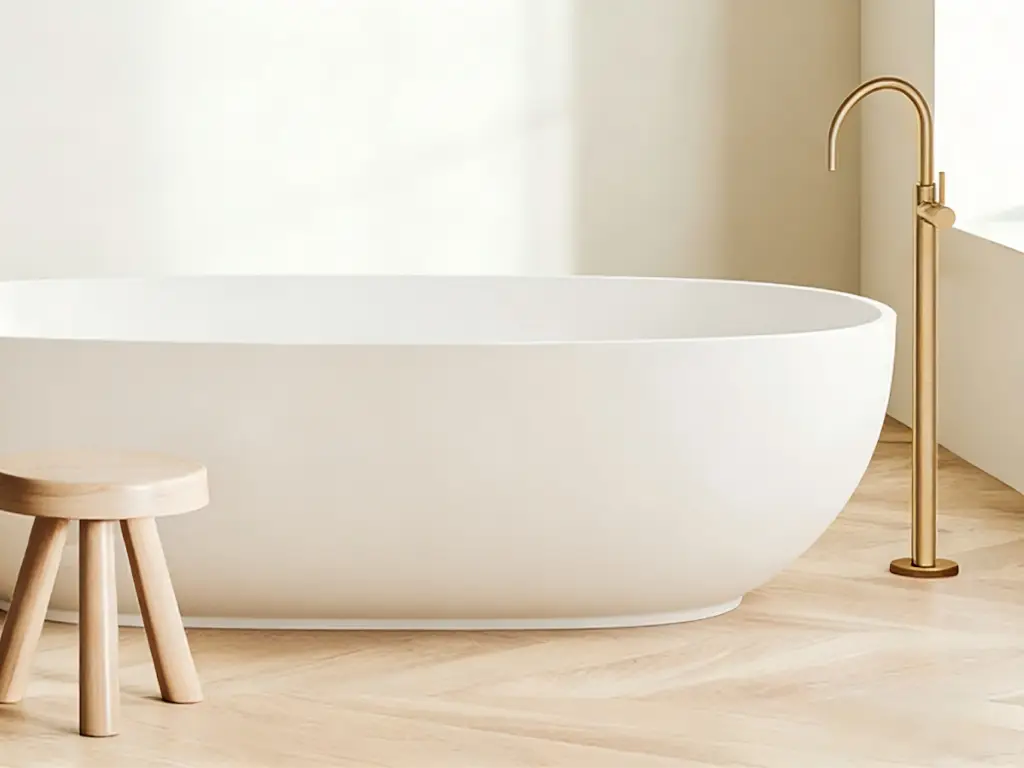
For those seeking opulence, Brushed Gold (or French Gold) creates a warm, inviting atmosphere. Unlike the brassy golds of the 1980s, modern brushed finishes resist fingerprints and water spots. Pairing a gold finish with a waterfall spout transforms the act of filling the tub into a visual performance, perfect for a master suite sanctuary.
| Stile | Ideale per | Typical Structure | Maintenance Level |
|---|---|---|---|
| Modern Minimalist | Contemporary / Industrial | Single Post | Low (Matte finishes hide spots) |
| Vintage / Classic | Farmhouse / Traditional | Double Leg | Medium (Detailing collects dust) |
| Luxury / Spa | Master Suites / High-end | Single Post (Waterfall) | High (Polished finishes show spots) |
Critical Pre-Purchase Factor: Checking Your Floor Structure
The type of subfloor you have dictates which faucets you can buy and how difficult the installation will be.
Wood Joist Floors: If your bathroom is on a second floor or built over a crawl space, you likely have wood joists. This is the easiest scenario. Plumbers can easily access the space under the floor to run pipes and secure the mounting hardware from below.
Concrete Slab Floors: If you are on the ground floor of a modern home or in a high-rise condo, you are likely dealing with a concrete slab. This is where many homeowners run into trouble. You cannot access the plumbing from below. All connections must be prepared in the concrete before the final floor is poured, or you must chip out existing concrete (trenching) to run lines.
Manufacturer’s Note: Not all faucets are compatible with concrete installation kits. Always verify the rough-in requirements. At Watersino, we design our floor-mounted fixtures with versatility in mind, offering specialized mounting brackets that secure firmly to both wood and concrete substrates, ensuring your investment stands rock-solid for years.
How to Install Freestanding Tub Faucet on Concrete Slab
If you are searching for how to install a freestanding tub faucet on a concrete slab, here is the professional workflow you must follow.
Phase 1: The Rough-In Valve Installation (Before Tiling)
The most common mistake is buying a faucet after the floor is tiled. For concrete slabs, the “rough-in” valve (the brass body that connects to water lines) must be embedded in the concrete.
- Positioning: Determine the exact location of the tub. The faucet should be placed 6-10 inches from the tub rim to ensure the spout clears the edge but doesn’t obstruct entry.
- Manifold Installation: Secure the rough-in manifold to the sub-slab earth or rebar.
- Protective Cover: Ensure the “mud guard” (a plastic cover) is on the valve. This protects the threads while concrete is poured around it.
Phase 2: Drilling and Anchoring for Stability
Once the concrete is cured and you are ready for the “trim” (the visible faucet) installation:
- Drilling: Use a rotary hammer drill with a masonry bit to create holes for the mounting bolts.
- Anchors: Unlike wood screws, you must use concrete expansion anchors (wedge anchors). As you tighten the nut, the anchor expands outward, gripping the concrete.
- The Wobble Test: A freestanding faucet acts like a long lever. Even a millimeter of movement at the base feels like an inch of sway at the top. Ensure the mounting tripod or flange is bolted down with high torque requirements.
Phase 3: Connecting Supply Lines
With the base secure, connect the hot and cold supply lines (usually flexible braided stainless steel) to the risers.
- Pro Tip: Flush the lines before connecting the faucet cartridge. Debris from the concrete work can easily get into the pipes and clog the sensitive ceramic cartridge of your new high-end faucet.
Top 3 Mistakes to Avoid When Choosing Your Faucet
As a manufacturer, we observe the same recurring returns and complaints. Avoid these pitfalls to ensure your project succeeds.
1. Ignoring Spout Reach and Height
A faucet that is too short will splash water onto the bathroom floor rather than into the tub. A faucet that is too tall might cause splashing due to the distance the water falls.
- The Fix: Measure your tub’s rim height and rim width. The faucet spout should clear the rim by at least 2-4 inches vertically and extend into the tub bowl by at least 2-3 inches horizontally.
2. Overlooking Flow Rate (GPM)
Many beautiful, modern faucets are restricted to 1.5 or 1.8 GPM (Gallons Per Minute) to meet water-saving regulations meant for lavatory sinks. However, filling a 60-gallon soaking tub at 1.8 GPM takes over 30 minutes, by which time the water is cold.
- The Fix: Look for “High-Flow” tub fillers, typically rated between 4.0 and 8.0 GPM. This fills your tub quickly and keeps the water hot.
3. Forgetting Maintenance Access
In concrete installations, if a leak develops at the connection point, you don’t want to jackhammer the floor.
- The Fix: Choose models with accessible service stops or a design that allows you to unscrew the main body from the floor bracket for maintenance without destroying the tile work.
Conclusione
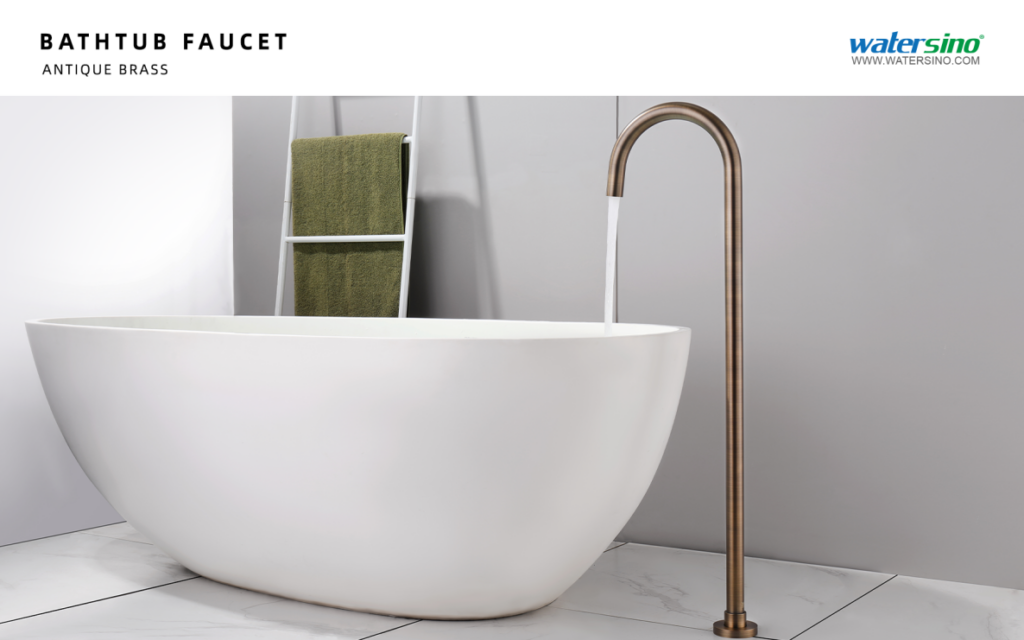
Whether you are drawn to the industrial edge of matte black options or the classic elegance of a telephone-style filler, success lies in the details.
By prioritizing the correct installation method—especially on concrete slabs—and verifying specs like spout reach and flow rate, you ensure your bathroom remains a sanctuary, not a source of stress.
For those seeking a partner in this journey, Watersino offers a curated selection of certified, high-performance bathroom fixtures. From OEM customization to ready-to-ship premium designs, we provide the quality assurance that contractors trust and the style that homeowners desire. Visit us at https://watersino.net/ to explore fixtures that blend engineering excellence with aesthetic perfection.