The Professional Sourcing Tapware and Mixer
Professional sourcing treats taps and mixers as long‑term assets, not accessories. You are choosing hardware that must survive constant use, aggressive cleaning and strict compliance checks—often across dozens or hundreds of identical rooms. The goal is to control total cost of ownership, protect your brand experience and avoid nasty surprises after handover.
The sections below walk through the key decisions behind commercial‑grade tapware: materials, valve technology, finishes, certifications, sourcing mindset, OEM/ODM advantages and a practical bulk‑order checklist. The tone is project‑focused, but the principles apply whether your developments are in coastal cities, dry inland regions or a mix of international markets.
Ensuring Durability in High-Traffic Environments
On paper, many faucets look similar. Inside, the base material is often the biggest predictor of how they will age under real‑world conditions.
Most tap bodies today are made from either solid brass or zinc alloy. Solid brass is widely regarded as the “gold standard” for durability because it resists corrosion well, especially in areas with harder water or more aggressive conditions. Zinc alloy, by contrast, is typically chosen to cut cost; it can perform fine in light‑duty or decorative roles but is more vulnerable to long‑term corrosion and wear when the protective coating is damaged.
Cheap zinc‑heavy bodies often show their true face after the first year or two. Aerators start to clog from internal corrosion, finishes can bubble from underneath, and in worst cases tiny cracks turn into leaks behind vanities. In humid or coastal regions, that process accelerates even further.
A safer strategy for professional sourcing is simple:
- Use high‑purity brass (such as H59‑type compositions) for all critical water‑contact components, including the main body and key internal parts.
- Reserve zinc alloy, if used at all, for low‑stress decorative elements like handles or trim rings.
This way you keep structural strength and corrosion resistance where it matters, without driving up cost on non‑critical pieces. As a manufacturer focused on residential and commercial fixtures, Watersino builds its core bathroom and kitchen ranges around certified brass bodies and long‑term performance rather than short‑term price points.
Brass VS Zinc Tapware
| Aspect | Solid brass (high‑grade) | Zinc alloy (typical tapware) |
| Corrosion resistance | Excellent in wet, hard‑water and coastal conditions. | Acceptable at first; more prone to corrosion if coating is damaged. |
| Mechanical strength | High strength; suitable for pressurised, long‑term use. | Lower; better for light‑duty or decorative parts. |
| Typical use cases | Commercial taps, quality residential mixers, high‑traffic projects. | Budget tapware, non‑critical components, short‑term installations. |
| Cost level | Higher upfront cost, lower long‑term risk. | Lower upfront cost, higher risk in demanding environments. |
The Heart of Commercial Faucet Performance

The valve cartridge decides how smooth the handle feels and whether the faucet quietly drips at 2 a.m. or stays bone‑dry for years.
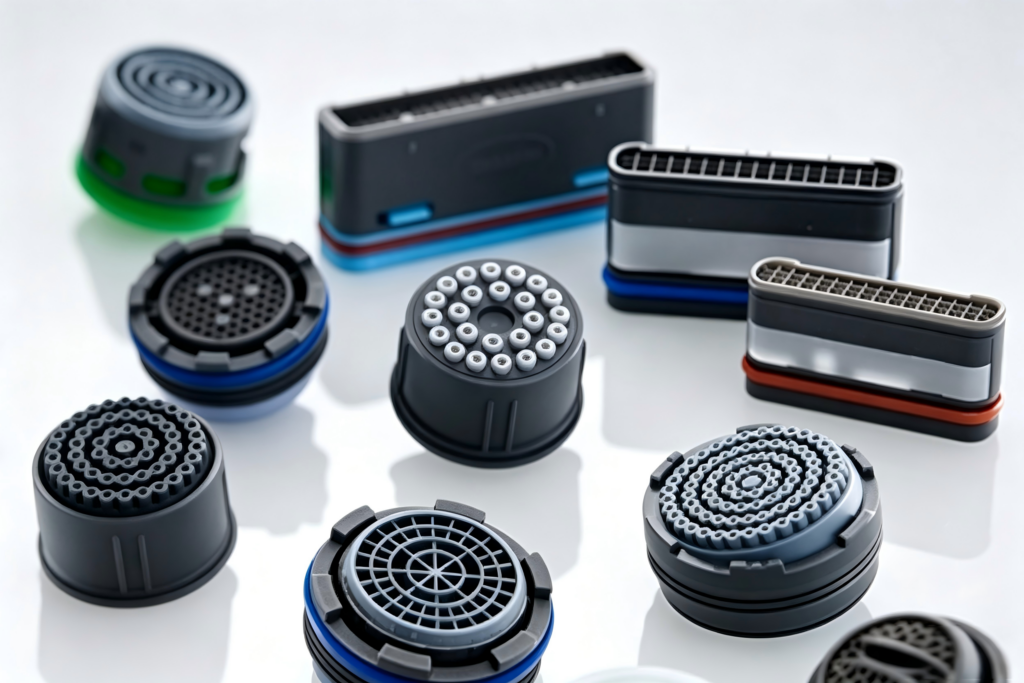
Modern ceramic cartridges use two highly polished discs that slide against each other to control flow and temperature. High‑quality versions are tested to hundreds of thousands of cycles; some cartridges are rated to around 500,000 on/off operations under international standards, simulating many years of use in real life. That level of endurance is exactly what you need when dozens of guests or residents are turning the same handle every day.
From an operational perspective, a “small” leak is never just a small leak. It can mean hidden damage inside cabinetry, complaints from guests, mould risks and extra labour for maintenance teams. Over time, wasted water alone becomes its own cost centre. That is why serious commercial specifications tend to insist on branded, fully tested ceramic cartridges rather than generic no‑name inserts.
PVD Trends for Modern Interior Design
Performance gives you a reliable building. Finish gets you a memorable one. Tapware is often the first metal detail people touch in a bathroom. If it looks cheap, scratched or faded after a year, the whole space feels tired.
Designers today are moving far beyond standard chrome.
- Matte black in minimalist ensuites
- Brushed gold in warm luxury bathrooms
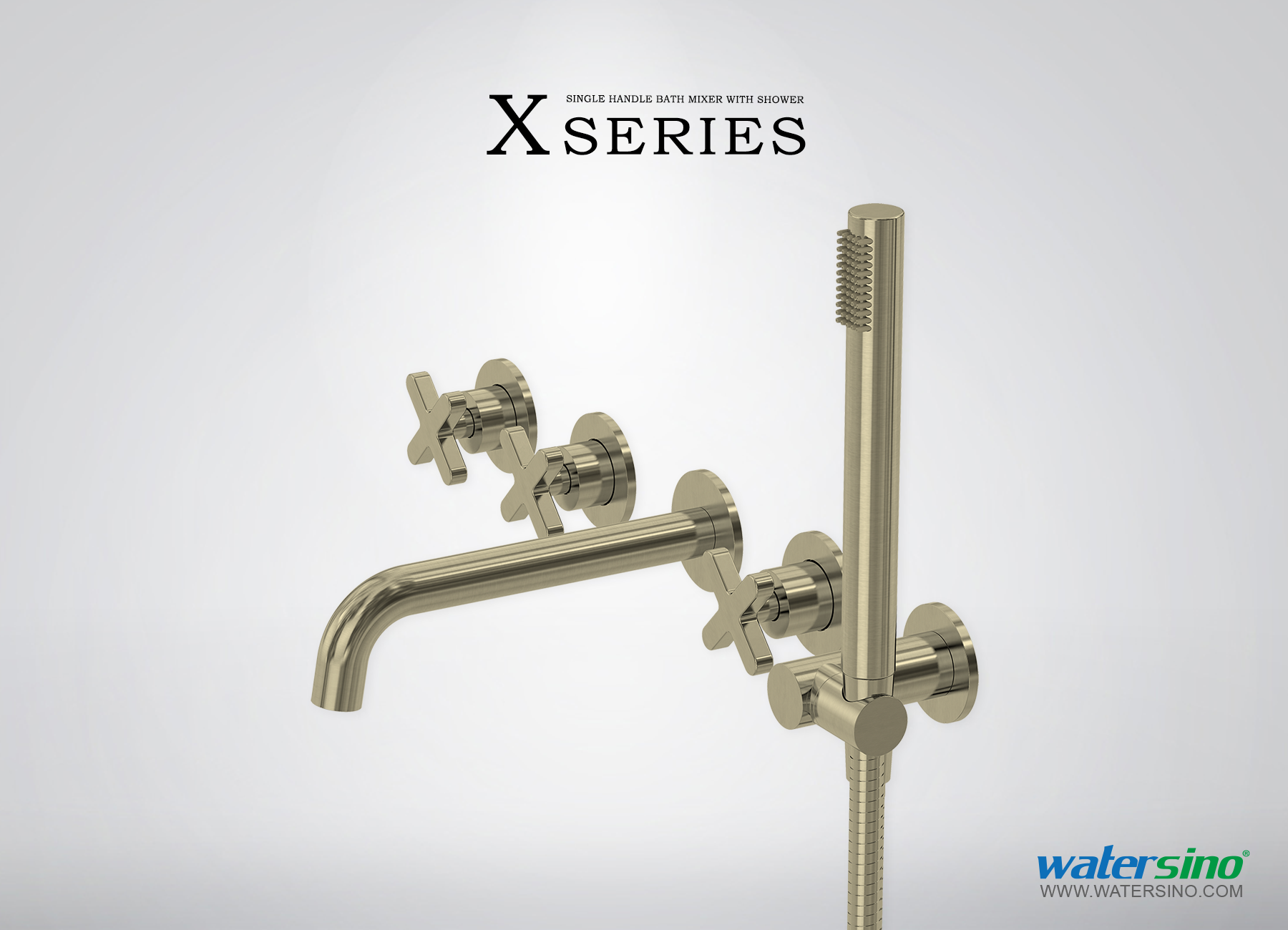
- Champagne and gunmetal in contemporary apartments
These finishes are now part of the core design language. The challenge is keeping them looking fresh when they are cleaned daily and exposed to moisture, steam and sometimes harsh chemicals.
Instead of sitting on the surface like paint, PVD coatings are deposited in a vacuum and bond tightly with the underlying metal, creating a hard, thin layer that is much more resistant to scratching, corrosion and colour fading than standard sprayed finishes. This makes a big difference in high‑turnover environments such as hotels or busy rental buildings, where fixtures are constantly wiped, bumped and handled.
Navigating Global Certifications: WaterMark, WELS, cUPC, and CE
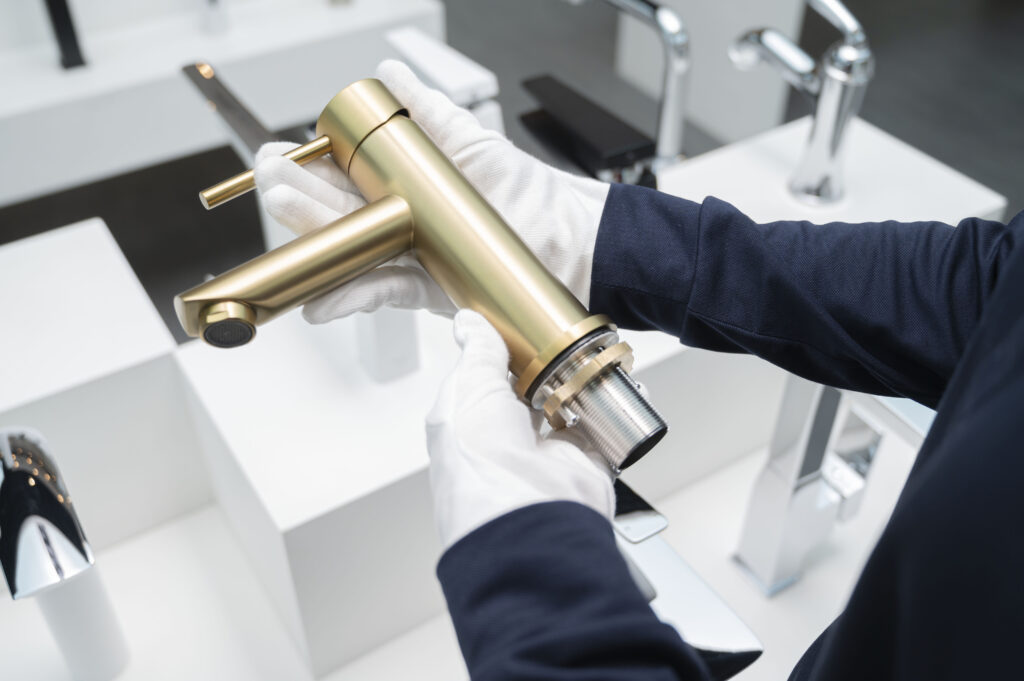
For professional sourcing, certifications are your gate tickets into different markets and plumbing systems.
In countries with strict plumbing regulation and water‑efficiency schemes, tapware often needs both safety and water‑rating approvals. For example, taps and showers may be required to hold a WaterMark certification to prove compliance with the Plumbing Code and relevant product standards before licensed plumbers are allowed to install them. That WaterMark approval is also a prerequisite for registration under local water efficiency schemes such as WELS, which then assign a star rating and flow performance label. Together, they help regulators protect consumers from unsafe or wasteful products.
Beyond those schemes, international projects may also need:
- cUPC for compliance with North American plumbing codes.
- WaterSense labelling on water‑efficient products for certain green building programs.
- CE marking to show conformity with health, safety and environmental requirements in the European Economic Area.
The key is to align the specification with the approval path from the start. That means checking which certifications are mandatory in each target market, confirming that the chosen models already hold those marks, and ensuring the manufacturer can provide up‑to‑date certificates and test reports. Watersino positions itself as a certified manufacturer and supports partners with documentation for various regions, which helps keep approvals and inspections running smoothly.
Why Custom Manufacturing Outperforms Generic Retail Sourcing
Generic retail sourcing limits you to what someone else has decided to put in their catalogue. That might be fine for a quick renovation, but it is rarely the best answer for a large, design‑driven or brand‑driven project.
With custom manufacturing, you start from your project requirements instead of from shelf stock. Spout height and reach can be tuned to match your chosen basins and sinks. Handle shapes and lever resistance can be adjusted for a particular user experience—smooth and light in a luxury hotel, more firm and robust in a public space. Internal components can be specified to hit performance and certification targets. Even the packaging, manuals and spare‑part kits can be aligned to how your teams actually work on site.
Watersino’s Solution for Luxury Projects
This is where a partner like Watersino adds real value. As a certified bathroom and kitchen fixture manufacturer with more than a thousand verified models, in‑house design services and OEM/ODM capability, Watersino can either adapt existing lines or develop new configurations to match a project brief.
For example, a luxury apartment project might need a slim, tall basin mixer with a specific PVD finish and logo on the handle, plus compatible showers and accessories in the same colour. Watersino’s team can work from drawings, provide 3D layouts and samples for confirmation, and then produce a coordinated set with unified finishes and branding. Contractors benefit from one‑stop sourcing, consistent style and simplified approvals; brand owners gain a product line that is truly theirs, not a relabelled retail tap.
On top of that, long warranty terms on the main components and finishes give everyone more confidence that these are fixtures designed to stay in place, not placeholders to be swapped out in a few years.
How to Execute Your Bulk Order
Use the checklist below as a working template when talking with any manufacturer or sourcing partner.
- Define scope and standards
- Room types, fixture list (basin, shower, bath, kitchen, accessories).
- Target materials (e.g. brass body), finish palette, and cartridge requirements.
- Required certifications (WaterMark/WELS, cUPC, CE, etc.).
- Share drawings and references
- Bathroom/kitchen layouts and basin or sink specifications.
- Design mood boards or reference images to guide styling and finish choices.
- Develop and approve samples
- Review CAD or 3D layouts first, then physical samples.
- Test samples in a mock‑up room: check reach, splash behaviour, handle feel, cleaning ease.
- Lock in branding, packaging and documents
- Confirm any logo placement and brand colour details.
- Approve packaging style and labelling requirements.
- Make sure installation manuals and certificates are provided for local regulations.
- Agree quality control and testing
- Material tests (e.g. composition checks), finish durability and cartridge life‑cycle testing.
- Inspection protocols before shipment, including third‑party options if needed.
- Plan production and logistics
- Align lead times with construction milestones.
- Decide on shipment phasing and spare‑parts strategy so maintenance teams are covered from day one.
When you are ready to translate your project brief into real, buildable tapware solutions, you can share your requirements and drawings with Watersino through their site to explore tailored OEM/ODM options and certified product ranges for both bathrooms and kitchens.