Ever noticed how a great bathtub spout makes the water look like a smooth, crystal-clear ribbon? It’s one of those small details that you don’t think about until it’s either perfectly quiet or splashing all over the floor.
We’re breaking down the different types of tub spouts for bathroom to help you get that perfect flow. From wall-mounted classics to high-flow diverters, this guide covers the practical tips and technical specs for your next bathroom upgrade.
What Are Tub Spouts and Why Do They Matter?
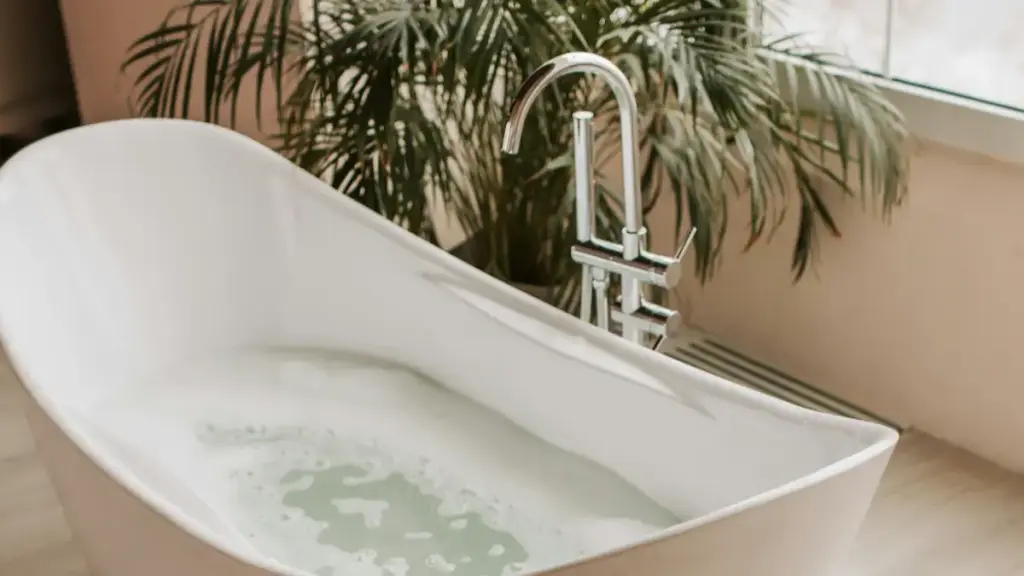
A tub spout is the fixture that allows water to flow into your bathtub, typically mounted on the wall or the tub’s deck. It connects directly to your bath mixer or diverter system, acting as both a functional water outlet and a key aesthetic element. Unlike a showerhead, a spout for bathroom is specifically designed to fill large volumes of water quickly and efficiently.
The importance of choosing the right spout lies in its performance and fit. A spout with the wrong reach will cause water to splash against the tub rim rather than filling the basin cleanly. High-quality types of tub spouts for bathroom ensure a steady, quiet flow, which is essential for filling deep soaking tubs without excessive noise or turbulent spraying during your bath.
Different Types of Tub Spouts for Bathroom
Selecting the right fixture depends entirely on your plumbing layout and the type of bathtub you have installed. Here is a breakdown of the most common types of tub spouts for bathroom to help you narrow down the best fit for your project.
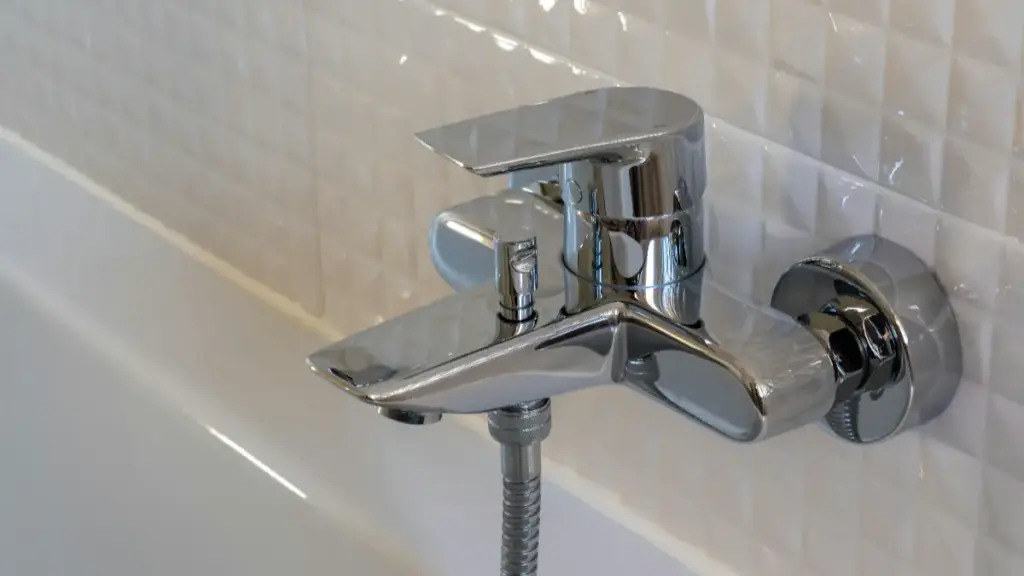
Wall-Mounted Tub Spouts
These are the most common fixtures, extending directly from the bathroom wall above the tub. They are favored for their space-saving design and straightforward maintenance.
- Instalación: Mounted to a 1/2-inch or 3/4-inch NPT pipe protruding from the wall.
- Best For: Standard alcove tubs and shower-tub combinations.
- Configuration: Available in slip-fit or threaded connections to match existing copper or iron piping.
While these are easy to install, always measure the “spout reach” from the wall to the water outlet. If the spout is too short, water will drip onto the tub ledge instead of into the basin, eventually leading to calcium buildup on the rim.
Deck-Mounted Tub Spouts
Commonly referred to as Roman tub spouts, these are installed onto the flat surface of the tub or a surrounding tiled ledge rather than the wall.
- Instalación: Requires a specific valve body hidden beneath the tub deck.
- Best For: Large soaking tubs, drop-in tubs, and whirlpool systems.
- Configuration: Often sold as part of a three-piece set including hot and cold handles.
These spouts provide a high-end, integrated look, but they require precise drilling during the tub installation. Because they sit on the deck, ensure there is enough clearance behind the spout for easy cleaning to prevent water spots.
Diverter Tub Spouts
A diverter spout features an integrated pull-knob or gate that redirects water flow between the bathtub and a showerhead.
- Instalación: Typical wall-mount setup connected to a shower valve.
- Best For: Small to mid-sized bathrooms with a combined tub and shower area.
- Configuration: Features an internal lift-gate mechanism to block the spout flow.
When using a different types of tub spouts with a diverter, look for “positive action” gates. Lower-quality versions often leak water from the spout while the shower is running, which reduces your water pressure and wastes hot water over time.
Non-Diverter Tub Spouts
These spouts serve as a single-purpose water outlet without any internal valves or knobs to redirect the flow.
- Instalación: Can be wall-mounted, deck-mounted, or floor-mounted.
- Best For: Dedicated soaking tubs where a separate walk-in shower is present.
- Configuration: Clean, minimalist design with no visible pull-knobs.
Because there are no internal obstructions, non-diverter spouts usually offer a much higher flow rate. This makes them the ideal choice for filling massive 80-gallon tubs quickly without the noise and vibration found in diverter models.
Handheld Tub Spouts
This modern hybrid combines a fixed water outlet with a flexible hose and a handheld spray head for added versatility.
- Instalación: Available in both wall-mounted and deck-mounted configurations.
- Best For: Families with children, pet owners, or for easy tub cleaning.
- Configuration: Usually includes a bracket or a “cradle” to hold the wand when not in use.
Adding a handheld component is a practical upgrade that significantly improves the functionality of a master bath. It allows for targeted rinsing and makes it much easier to keep the interior of a large freestanding tub clean after use.
Key Features to Consider When Choosing Tub Spouts
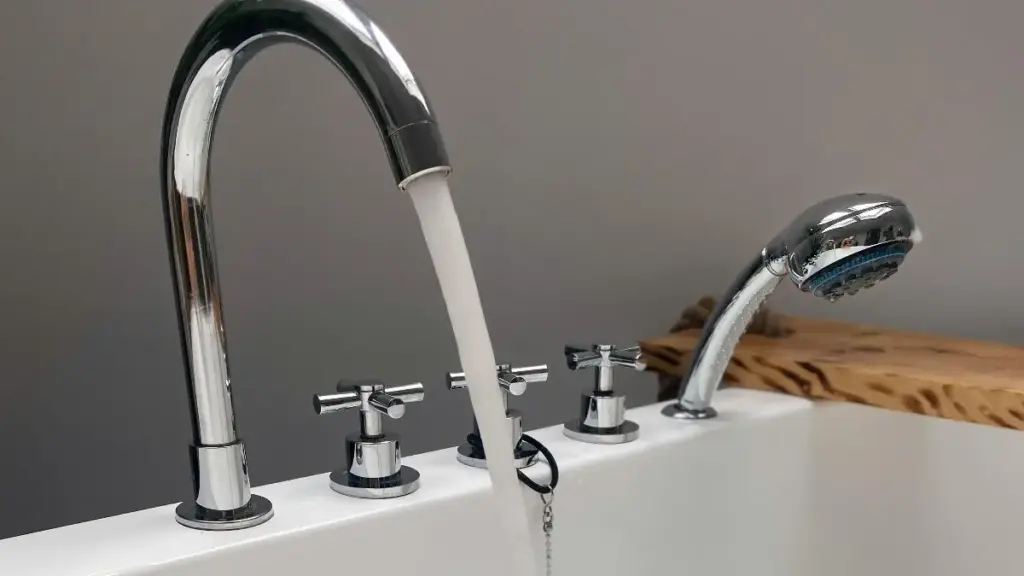
When selecting a spout for bathroom, you need to look beyond the finish. Technical compatibility ensures your fixture performs as well as it looks, saving you from splashing or low pressure.
Spout Reach and Height
Measure the distance from your wall or deck to the center of the tub basin. If your spout reach is too short, water will hit the tub rim, causing messy splashing and potential water damage to your grout. For deep soaking tubs, ensure the spout height allows enough clearance for the water level to rise without submerging the outlet.
Connection Type and Size
Check your rough-in plumbing before buying. You will likely encounter either a slip-fit connection, which slides over a smooth copper pipe and secures with a hex screw, or a threaded IPS connection. Matching the pipe diameter—usually 1/2-inch or 3/4-inch—is vital to prevent leaks behind the wall.
Water Flow Rate and Pressure
Ensure your chosen different types of tub spouts are compatible with your home’s water pressure. High-capacity tubs require a spout with a high GPM (gallons per minute) rating to fill quickly. If your plumbing system has low pressure, a restrictive spout will make filling the tub a frustratingly slow process.
Comparing the Best Materials and Finishes for Tub Spouts
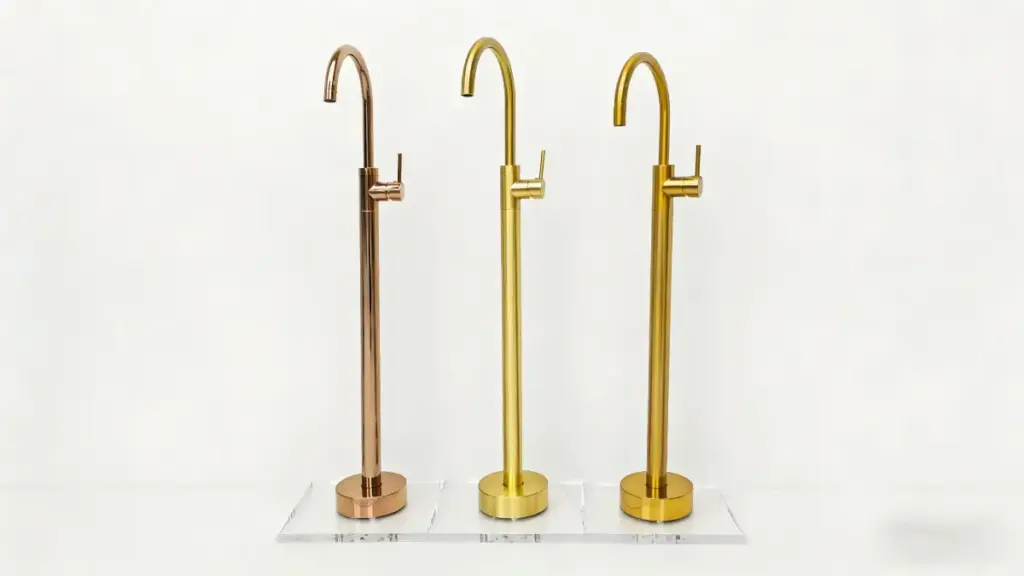
When you choose a spout for bathroom, the internal material and the external finish are equally important for durability and style. High-quality materials prevent leaks, while the right finish ensures the fixture remains scratch-resistant over years of daily use.
Material choice
Material choice is where you see the difference between a $20 spout and a $150 professional fixture.
- Zinc Alloy: Common in entry-level housing. It is lightweight and inexpensive but prone to “pitting” and corrosion over time if the plating is thin.
- Stainless Steel (304 Grade): Excellent for modern, brushed finishes. It is highly resistant to rust and very durable.
- Solid Brass: The gold standard. Brass is heavy, naturally antimicrobial, and can handle high water temperatures without expanding or contracting excessively. Most high-end spouts for bathroom use a forged brass body because it provides a lifetime of service.
Popular Acabados
The finish is what defines the personality of your bathtub. You can explore more specialized options:
- Brushed Nickel: A soft, warm metallic look that hides fingerprints and water spots effectively.
- Matte Black: Perfect for a bold, contemporary aesthetic and pairs beautifully with white porcelain tubs.
- Brushed Gold or Rose Gold: These finishes add a touch of luxury and warmth to a master suite.
- Gunmetal or Titanium Gold: Excellent choices for those looking for a unique, high-end architectural feel.
Always check if the finish is applied via PVD (Physical Vapor Deposition). This process bonds the color to the metal at a molecular level, ensuring your different types of tub spouts won’t chip or peel over time.
Installation Tips for Different Types of Tub Spouts
Proper installation ensures your bathroom remains leak-free and looks professionally finished. Depending on your plumbing layout, the process varies slightly between wall and deck configurations.
Wall-Mounted Installation
This setup is standard for most alcove and shower-tub combinations.
Applicable Tub Spouts: Diverter and non-diverter wall-mount models.
Installation Steps:
- Measure the Nipple: Ensure the copper pipe (nipple) extends exactly 1/2-inch to 3/4-inch past the finished tile.
- Seal the Threads: For threaded types of tub spouts for bathroom, apply Teflon tape clockwise around the pipe threads to prevent leaks.
- Secure the Spout: If using a slip-fit model, slide the spout onto the smooth pipe and tighten the hex screw underneath until snug.
- Caulk the Base: Apply a thin bead of silicone around the base, leaving a tiny “weep hole” at the very bottom for moisture to escape.
Deck-Mounted Installation
Deck-mounted spouts are installed directly onto the flat rim of a bathtub or a tiled ledge.
Applicable Tub Spouts: Roman tub spouts and handheld hybrid models.
Installation Steps:
- Prep the Rough-in: Secure the valve body beneath the tub deck before the final trim is added.
- Drill Precise Holes: Ensure the mounting holes are drilled to match the spout’s footprint exactly.
- Connect Supply Lines: Attach the hot and cold water lines to the valve body and test for initial leaks.
- Mount the Spout: Secure the spout for bathroom using the provided mounting hardware and rubber gaskets to prevent water from seeping into the subfloor.
Troubleshooting and Maintenance Tips for Long-Lasting Tub Spouts
Even high-end different types of tub spouts require regular upkeep to maintain their performance and finish. Follow these practical tips to address common issues and extend the lifespan of your fixtures.
- Restoring Water Pressure: If you notice a drop in flow, mineral deposits are likely clogging the internal aerator. Simply unscrew the aerator at the tip of the spout for bathroom and soak it in white vinegar for about 30 minutes to dissolve the scale.
- Fixing Diverter Leaks: If water continues to pour from the spout while the shower is active, the internal diverter gate is failing. Because these components are often proprietary, replacing the entire spout is usually more cost-effective and reliable than attempting a DIY internal repair.
- Safe Cleaning Practices: To protect the finish—especially PVD or Matte Black—avoid harsh chemical cleaners or abrasive pads. A soft microfiber cloth and a mild soap solution are all you need to remove water spots without scratching the surface.
- Checking the Seal: Inspect the silicone caulking around the base of the spout annually. If the seal is cracking, remove the old caulk and apply a fresh bead to prevent water from seeping behind your bathroom tiles.
How to Match the Right Tub Spout with Your Bathroom Décor
The following table summarizes the different types of tub spouts and key selection criteria to help you finalize your project:
| Característica | Wall-Mounted | Deck-Mounted (Roman) | Diverter Spout | Non-Diverter | Handheld Hybrid |
| Mejor para | Standard Alcove Tubs | Drop-in / Whirlpool Tubs | Tub & Shower Combos | Dedicated Soaking Tubs | Families & Pet Owners |
| Install Location | Bathroom Wall | Tub Rim or Tiled Ledge | Wall-Mounted | Wall, Deck, or Floor | Wall or Deck-mount |
| Flow Rate | Medium (5-7 GPM) | High (8-10+ GPM) | Standard (approx. 5 GPM) | Maximum (10+ GPM) | High (with spray option) |
| Aesthetic Style | Classic & Versatile | Luxurious & Integrated | Functional & Compact | Minimalist & Modern | Contemporary & Practical |
| Key Advantage | Saves tub deck space | High-end custom look | Simplifies plumbing | Fastest fill time | Versatile for rinsing |
Making the Right Choice with Watersino
Finding the perfect balance between technical precision and elegant design is what we do best. At Watersino, we understand that professionals need reliable, high-performance fixtures that won’t fail after installation. Whether you’re looking for a durable diverter for a high-traffic family home or a solid brass non-diverter for a luxury spa retreat, we provide the solutions that define modern luxury.
Ready to elevate your bathroom project? Contáctanos and explore our full range of professional-grade fixtures and premium tub spouts. Let’s build something beautiful together.