For hotel chains, luxury hospitality developers and resorts , the in-shower experience is a key driver of guest satisfaction and online ratings. Selecting the right rain shower system has become a procurement decision that affects water efficiency, maintenance costs, and brand perception. This article just evaluates different shower systems with rain shower and handheld combinations, compares what makes a better rain shower head system, and examines installation requirements for a ceiling rain shower system in real-world hospitality settings. We find that while many suppliers offer visually similar products, long-term performance depends on three hidden factors: flow rate consistency across multiple outlets, anti-scaling materials for the overhead shower head, and pressure balancing between rain and handheld modes. Drawing on industry best practices and engineering‑grade manufacturing, we introduce Watersinos positioning as a high-end engineering sanitary ware brand focused on project solutions — and demonstrate how its technical specifications directly address the pain points of hotel and resort procurement.
Why the Shower Experience Matters More Than Ever for Hotels and Resorts
Think of the world’s most celebrated hotels. What do guests post on social media? The infinity pool, the breakfast spread, and – increasingly – the bathroom rain shower. And a disappointing shower experience (weak flow, temperature fluctuations, a clogged overhead head) can undo hours of excellent front-desk service. A well-designed rain shower system communicates attention to detail, comfort, and luxury.
For procurement teams and project managers in the hospitality industry, choosing a rain shower system is therefore not just about aesthetics. It is about reliability, guest comfort, water and energy efficiency, and long‑term ease of maintenance.
But the market is crowded. Walk through any sanitary ware showroom, and you will see dozens of shower systems with rain shower and handheld combinations. Some claim to be the best rain shower head system; others focus on minimalist design. However, once installed in a real hotel or resort environment — with high daily usage, different water pressure conditions, and various cleaning protocols — many of these systems underperform.
What Defines a Luxury Rain Shower System for Hospitality Use?
Before comparing products, let us define the four essential characteristics of a rain shower system designed for hotels and resorts — not just for private homes.
Consistent flow rate across multiple outlets
A true shower systems with rain shower and handheld should allow the guest to switch between the overhead rain head and the handheld wand without a dramatic drop in water pressure. Many consumer-grade systems fail here because they use simple diverter valves that choke the flow.
Anti-scaling and easy‑clean technology
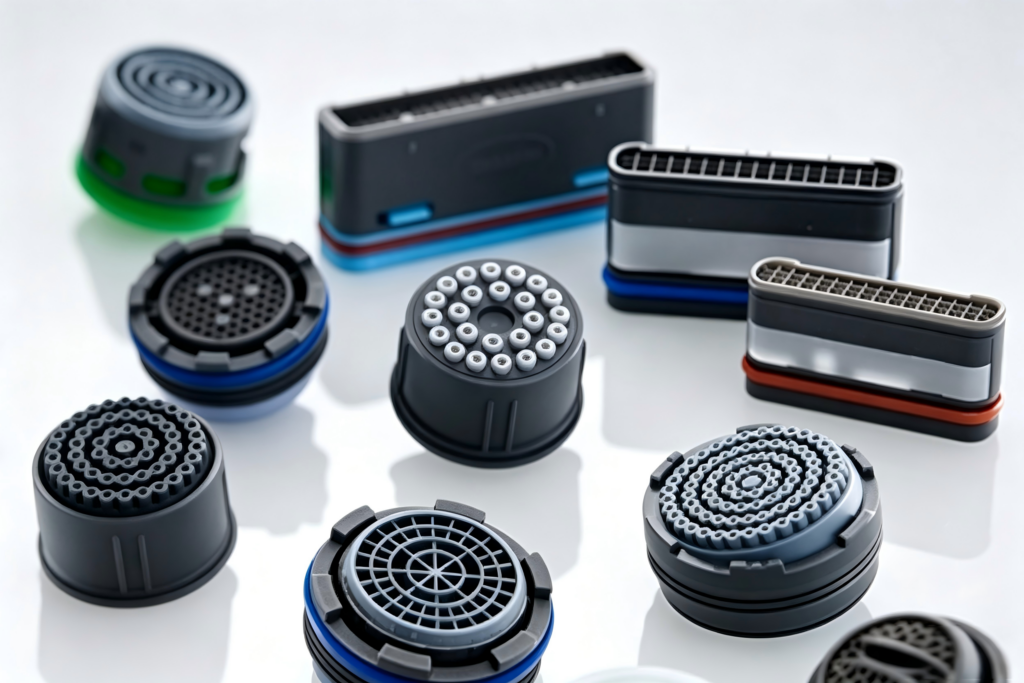
Hotels and resorts, especially those in hard water areas, face rapid clogging of tiny rain shower nozzles. A best rain shower head system for hospitality must use silicone nozzles or self-cleaning membranes that prevent calcium buildup.
Thermostatic or pressure-balancing valves
Guest safety is paramount. No one wants a sudden burst of scalding water when someone flushes a toilet in the next room. A commercial‑grade rain shower system must include thermostatic or pressure-balancing technology to maintain a safe, steady temperature.
Durability under high-frequency use
A hotel guest bathroom may see 10–15 shower cycles per day. That is thousands of cycles per year. Materials matter: solid brass internals, ceramic disc cartridges (rated for 500,000+ cycles), and finishes that withstand daily cleaning with industrial disinfectants.
Comparing Rain Shower System Configurations – Which One Fits Your Project?
Not all rain shower system layouts suit every hospitality project. Here is a quick comparison of the most common configurations.
| Configuration | Best for | Vorteile | Nachteile |
| Ceiling‑mounted rain head only | Minimalist luxury suites | Clean look, full overhead coverage | Requires ceiling access for installation; no handheld for cleaning |
| Ceiling rain shower system+ wall-mounted handheld | Most 4–5 star hotels | Combines luxury rain experience with practical handheld (for cleaning, pet showers, etc.) | More complex valve; higher cost |
| Wall-mounted rain head + handheld | Mid-range hotels, renovations | Easier installation than ceiling type; good pressure | Less “wow” factor than ceiling system |
| Shower systems with rain shower and handheld on a vertical rail | Accessible rooms, family suites | Highly adjustable handheld position; easy to repair | Less sleek visually |
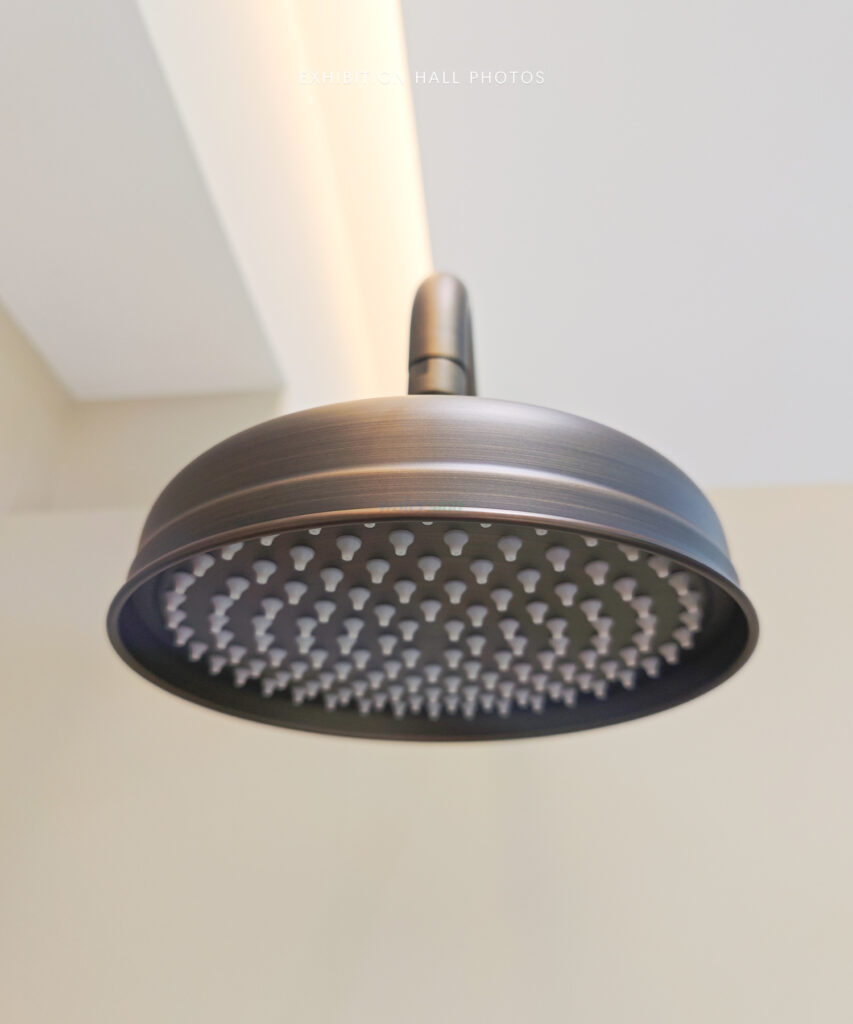
For most luxury hotels and resorts, the ceiling rain shower system paired with a wall-mounted or rail-mounted handheld is the preferred choice. It delivers the premium rain experience while retaining the practicality of a handheld for guest convenience and housekeeping.
But here is the catch: not all ceiling rain shower system products are engineered for the same performance. The difference lies in the valve internals, the nozzle design, and the materials used for the shower arm and head.
The Hidden Engineering Challenges of Rain Shower Systems in Hospitality
Let us move beyond marketing brochures and talk about what actually goes wrong in the field.
Flow rate starvation
A rain shower system typically requires 2.5–3.5 GPM (gallons per minute) just for the overhead head. Add a handheld, body jets, or a second rain head, and total demand can exceed 8 GPM. Many hotel plumbing systems — especially in renovated buildings — cannot supply that volume without pressure drops. The solution is not just a bigger pipe; it is a system designed with low-flow yet high-coverage technology.
Nozzle clogging from hard water
Hotels in regions like the Middle East, Southwest US, or Mediterranean Europe struggle with limescale. Standard metal nozzles clog within months. A hospitality‑grade best rain shower head system uses soft silicone nozzles that can be wiped clean with a finger — no tools, no chemicals.
Temperature spikes during high demand
In a large resort, water pressure fluctuates constantly. Without a thermostatic valve, guests experience sudden cold or scalding water — a safety hazard and a reputation killer. Commercial rain shower system solutions must include integrated thermostatic mixing valves or pressure.
Finish degradation from aggressive cleaning
Housekeeping teams use strong disinfectants, especially post-pandemic. Cheap chrome or even some nickel finishes will stain or pit within a year. For luxury resorts, finishes must pass extended salt spray testing (96+ hours) and resist common cleaning agents.
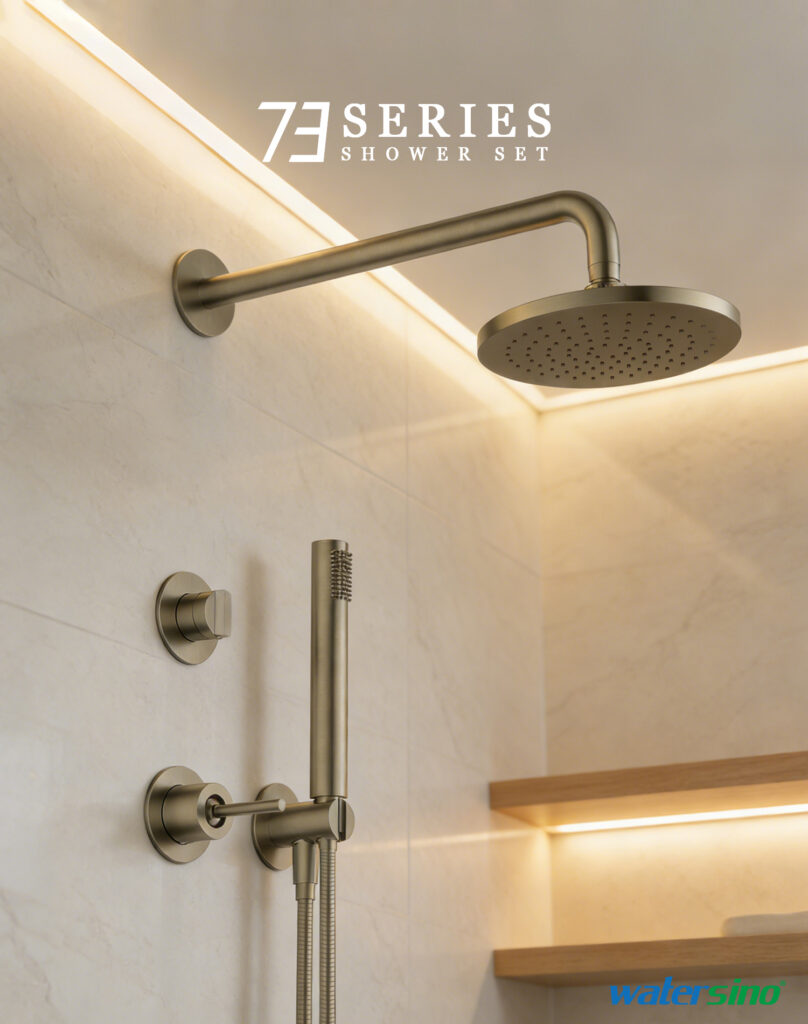
Watersino’s Engineering Approach – Rain Shower Systems Built for Hospitality
This is where Watersino differentiates itself. Watersino is not a general-consumer faucet brand. Its positioning is clear: a high-end engineering sanitary ware brand focused exclusively on project solutions — hotels, resorts, high-end residential, and commercial developments.
So, what does Watersino do differently when engineering a rain shower system for hospitality?
Flow-optimized valves for multi-outlet systems
Watersino’s diverter valves are designed to maintain consistent flow whether the guest uses the overhead rain head, the handheld, or both simultaneously. Internal port diameters are larger than industry average , reducing pressure loss.
Anti-scaling silicone nozzles
Every Watersino ceiling rain shower system and wall-mounted rain head uses food-grade silicone nozzles. They resist limescale buildup and can be cleaned by a simple rub of the finger. This reduces maintenance calls dramatically — a key cost saver for resort engineering teams.
Thermostatic valve standard
Watersino integrates thermostatic cartridges as standard in its hospitality-grade rain shower system packages. The cartridge is rated for 500,000 cycles and includes a replaceable filter to catch debris from old plumbing lines.
Finish durability for real-world cleaning
Watersino applies a multi-layer electroplating process (copper, nickel, then chrome or PVD) with total thickness exceeding 20 microns. Salt spray testing reaches 96–120 hours — far beyond the 24–48 hours typical of retail faucets. This means the finish withstands daily chemical cleaning without pitting or discoloration.
Anpassung
For large hotel chains or resort projects, Watersino offers OEM options: custom logos, specific handle designs, special finishes (brushed gold, matte black, rose gold and so on), and even custom flow rates to meet local water efficiency regulations.
A Practical Procurement Checklist for Hotel & Resort Rain Shower Systems
- Next time you evaluate a rain shower system supplier for a hospitality project, you can ask these questions:
- Does the diverter allow simultaneous operation of rain and handheld? (Some systems force the guest to choose one — a poor experience.)
- Are the nozzles silicone and hand‑cleanable? (Avoid fixed metal nozzles.)
- Is the valve thermostatic or pressure‑balancing? (Thermostatic is preferred for guest safety.)
- What is the salt spray test rating? (Minimum 72 hours for standard hotels; 96+ hours for coastal resorts.)
- Are spare cartridges and nozzles available as a consignment kit? (Essential for reducing downtime.)
Elevate the Guest Shower Experience with the Right Rain Shower System
For hotel owners, resort developers, and hospitality procurement teams, the rain shower system is no longer a commodity. It is a guest touchpoint that influences reviews, repeat bookings, and brand reputation.
Compared to basic shower systems with rain shower and handheld, a properly engineered best rain shower head system delivers consistent water coverage, safe temperature control, and years of maintenance‑free operation. A ceiling rain shower system, in particular, creates the immersive “rainfall” experience that luxury travelers expect.
But the key is not just choosing a pretty shower head — it is choosing a supplier that understands hospitality usage patterns. Watersino has built its brand around exactly this: high-end engineering sanitary ware designed for projects, not for retail showrooms. From flow-optimized valves to anti‑scaling nozzles and thermostatic safety, every detail is engineered to reduce your operational headaches and delight your guests.
CE and WRAS for UK. NSF/ANSI 61 (lead-free) and ASME A112.18.1 for North America. WaterMark and WLES for Australia.
Yes, but the system need to be designed for low-pressure operation. And you need to confirm before you buy it.
The main problems:
①misalignment between the drain location and the center of the rain head;
②low water pressure;
③insufficient space inside the existing ceiling (unable to accommodate piping and the shower arm);
Solutions:
①installing a booster pump on the main supply line;
②selecting ultra-slim ceiling rain heads (only 80-100mm in height);
③using eccentric connectors to fine-tune the rain head position.