Selecting faucets for commercial buildings is a complex, multi-layered decision that extends far beyond aesthetics. Architects must navigate a landscape of durability requirements, accessibility codes, water conservation targets, and diverse user needs—all while maintaining design intent. This article examines the critical factors in commercial faucet specification, from understanding usage patterns and flow rate regulations to coordinating commercial plumbing fixtures with overall interior design. Drawing on industry standards and real-world application insights, the discussion highlights how strategic architectural faucet selection can reduce long-term operational costs, enhance user experience, and contribute to sustainability certifications. The project specification** process is demystified through a practical framework, empowering design professionals to make confident, informed choices that balance form, function, and lifecycle value.
Understanding the Commercial Faucet Landscape
Defining Commercial-Grade vs. Residential Faucets
The first step in good commercial faucet spec writing is to understand that commercial-grade devices are built for a fundamentally different duty cycle than their domestic equivalents. Commercial plumbing fixtures have hundreds — and often thousands — of uses a day, so they need strong internal parts, hard-wearing coatings and they must meet more stringent safety and accessibility criteria.
Whereas you could use a household faucet a few dozen times in a day, a commercial toilet faucet in a busy workplace or transportation hub could see hundreds of activations. This requirement calls for heavy-duty brass construction, commercial quality cartridges and coatings that resist vandalism, corrosion and repeated cleaning cycles. “Fixtures in commercial settings get more use than in residential ones,” says one industry resource. The use of stainless steel or brass materials provides long-lasting performance “.
Key Drivers in Commercial Faucet Selection
The selecting process is driven by a number of interrelated elements. The type of facility — office, hotel, healthcare, retail or educational — goes a long way toward shaping objectives. The design of a luxury hotel may focus more on aesthetics and guest experience, whereas the design of a hospital may focus more on sanitation and infection control. Usage patterns, occupancy levels, and predicted foot traffic are all significant factors; high-traffic areas will need vandal resistant features and sensor-operated models to decrease wear and upkeep .
Sustainability is no longer an option. Water efficiency certifications like WaterSense, and contributions to LEED or WELL Building Standard are increasingly crucial to project standards. For example, sensor-activated taps can decrease water consumption by turning on just when needed. Finally, budget is a practical limitation, but architects more and more are calling for life cycle cost analysis instead of initial purchase price.
The Architectural Faucet as a Design Element
Aligning with Interior Design and Brand Identity
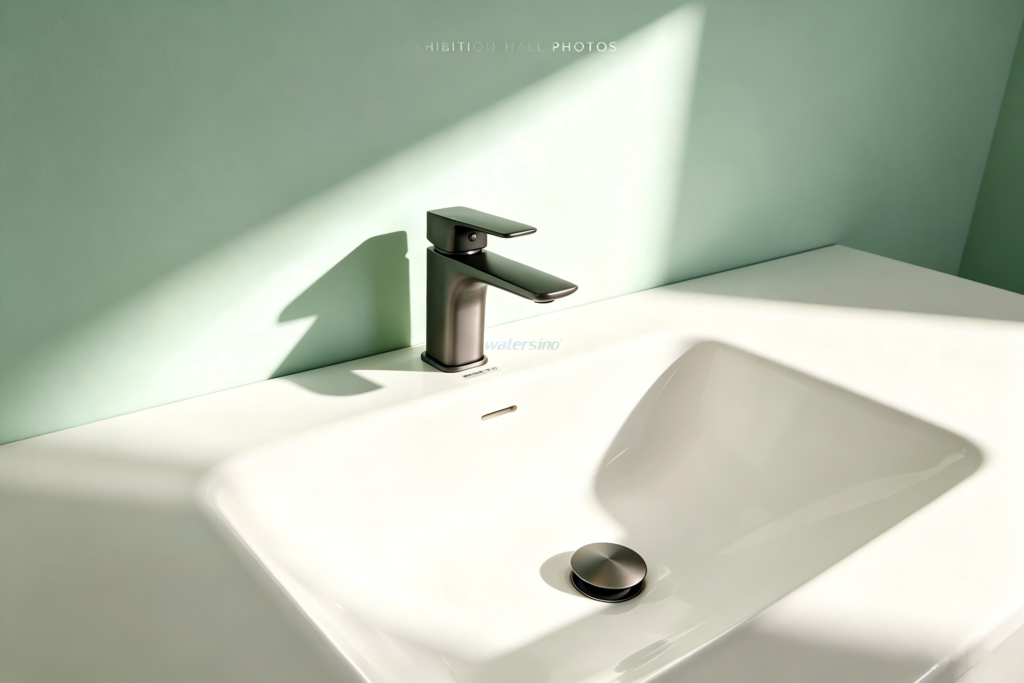
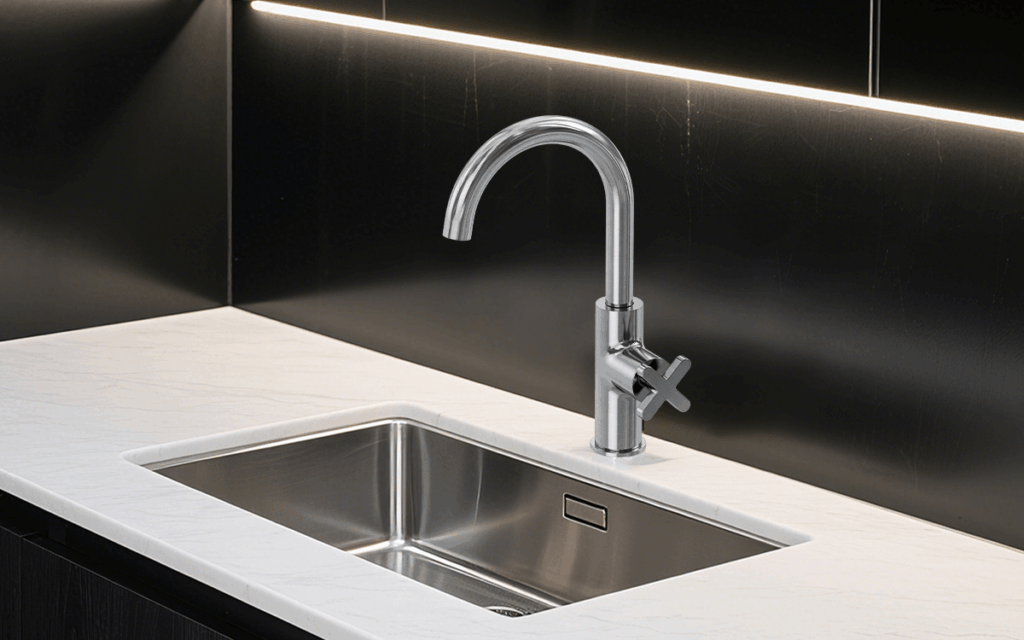
Modern architectural faucets are not only a utilitarian fixture but they also add to the general mood of a place. The visual effect of a faucet and its shape, coating, and overall visual impact enhance the design story. The interior might be sleek and modern or rustic and industrial or traditional and exquisite. The architects have to choose fixtures to match the color scheme.
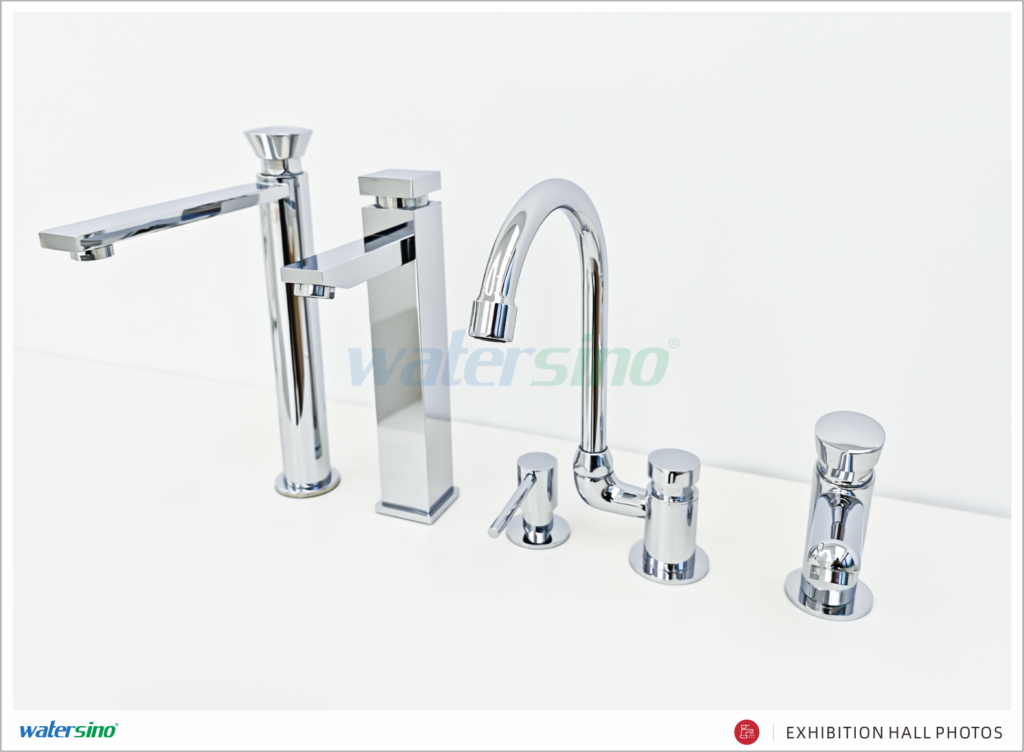
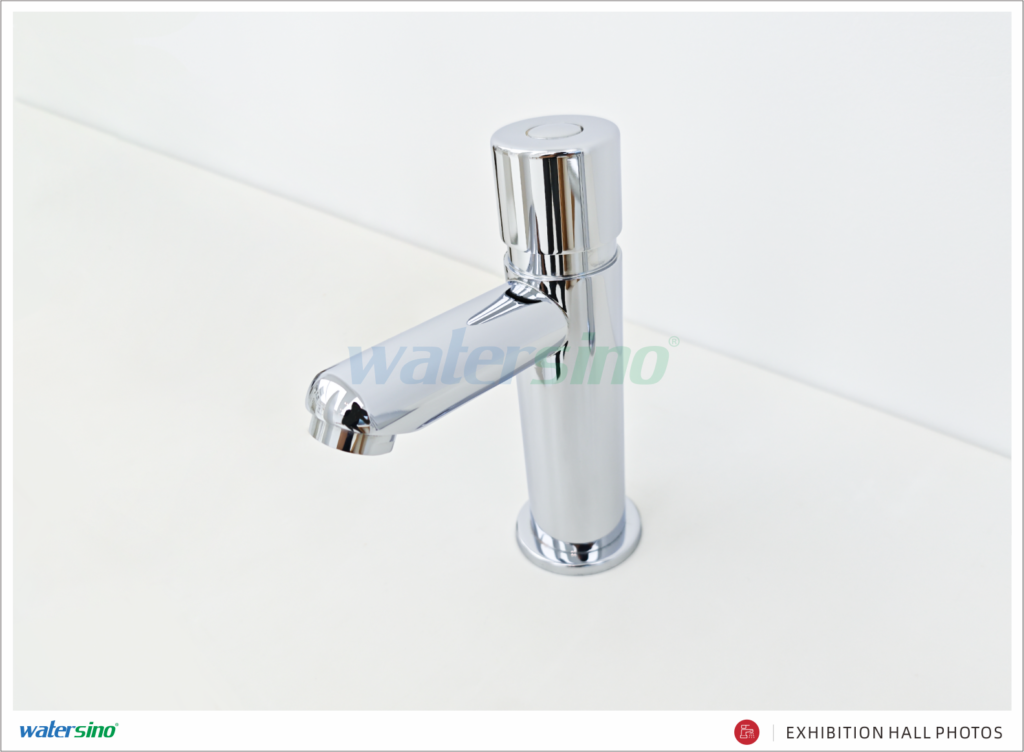
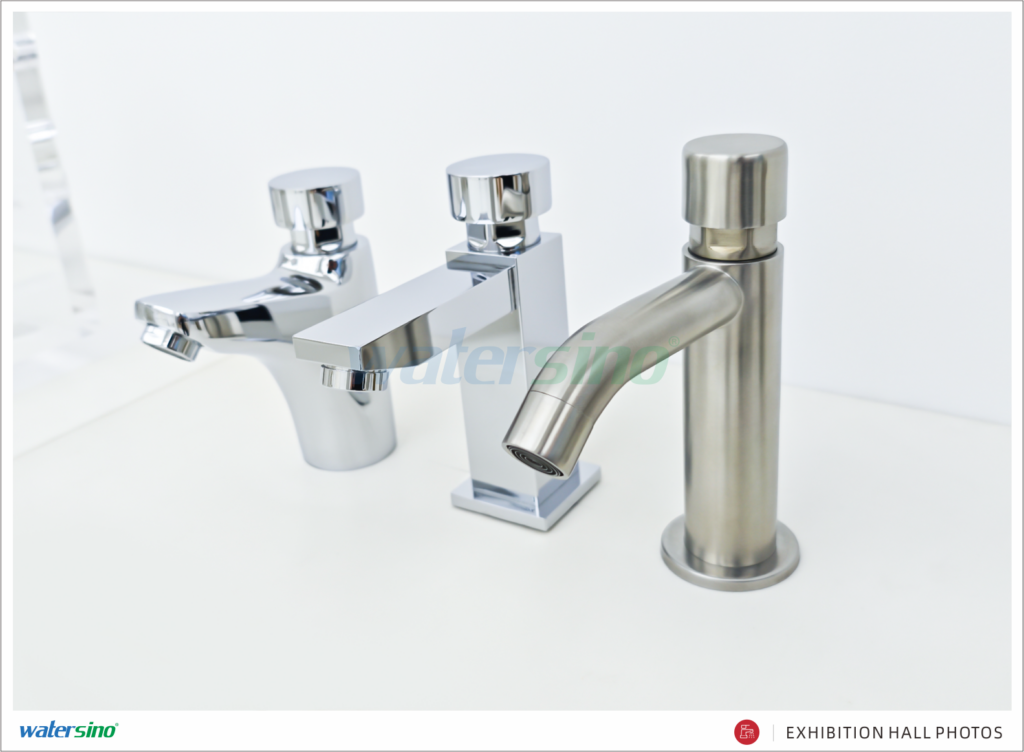
Product ranges with integrated families of faucets, soap dispensers and flush valves now provide streamlined design language for kitchens, baths and common areas. Watersino’s industrial-style column tap collection offers rough metal surfaces that work well for restoration projects with exposed beams and concrete buildings. A wide choice of finishes – including matte black, brushed gold, polished chrome and many others – make it possible to precisely combine sanitary ware, light fixtures and other architectural accessories.
Coordinating with Other Commercial Plumbing Fixtures
A good project specification will look at the faucet not as an isolated item but in conjunction with sinks, toilets, urinals and accessories. A unified series facilitates design collaboration, lowers Requests for Information (RFIs) and simplifies installation and maintenance. For example, the watersino Design Series provides full solutions with matching faucet and soap dispenser combinations for consistency of beauty and function.
Technical Considerations in Commercial Wasserhahn Spezifikation
Flow Rates and Water Efficiency
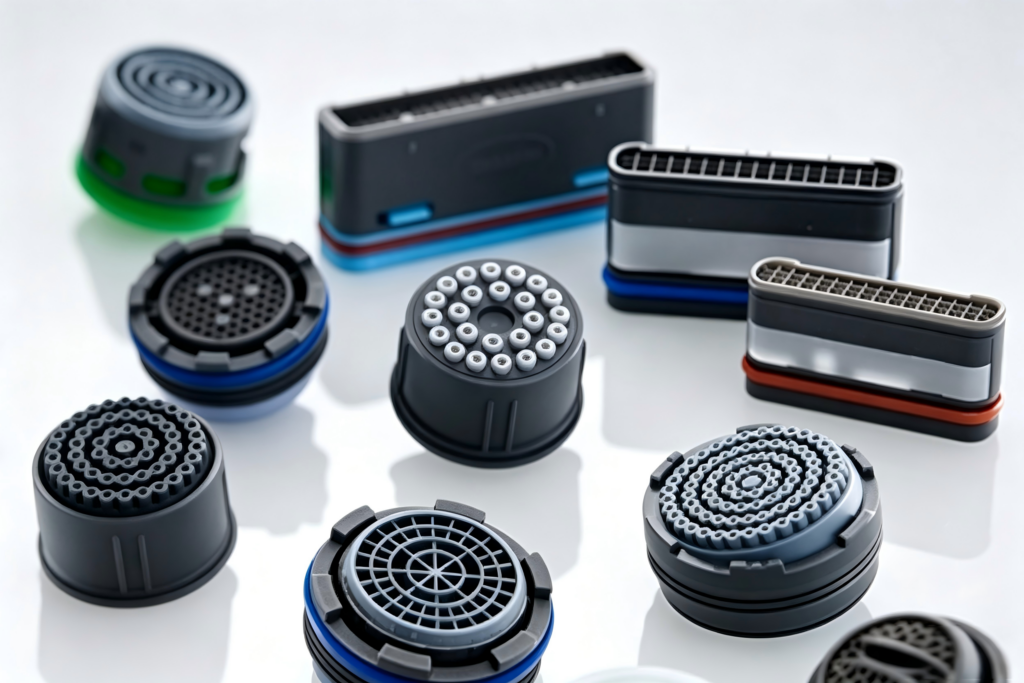
The flow rate determines the specification of a commercial faucet. Architects need to combine user happiness with water conservation goals. Typical commercial faucet flow rates are 0.35 to 2.2 gallons per minute (gpm), and many projects use low-flow designs (1.5 gpm or less) to achieve sustainability goals . Some manufacturers are now shipping faucets with numerous aerators so there is flexibility during installation to satisfy certain project needs.
Power Source and Technology Options
Commercial faucets are available in manual, metered and sensor-activated models. Increasingly appreciated for their cleanliness benefits and water saving qualities, sensor-activated (touchless) faucets find applications mainly in healthcare, food service and public bathrooms . Architects must identify the power source – battery, wiring, solar or turbine – and consider the consequences for long term maintenance . Some modern versions include LED feedback for ease of usage and remote access for facility management.
Durability, ADA Compliance and Maintenance
Durability and accessibility are a must. Architects should specify faucets of lead-free brass or stainless steel with commercial-cartridge components. Must comply with Americans with Disabilities Act (ADA) requirements for handle type, clearances and mounting heights. Designs that are service-friendly and have accessible components can greatly minimize maintenance downtime in high-traffic environments .
A Framework for Developing the Project Spezifikation
Conducting a Needs Assessment
The project definition process should begin with a full needs assessment. The architect needs to consider the building type, tenant demographics, usage patterns, and sustainability aims. This examination determines the kind of faucet, flow rate, power supply and finish. This means that a corporate office may be searching for sensor faucets with medium flow and a modern look while a public park may need vandal resistant metering faucets.
Sourcing Specification-Ready Data
Modern manufacturers increasingly supply specification-ready data, including BIM objects, cut sheets and comprehensive performance statistics. Architects should prefer vendors who provide comprehensive technical documentation to facilitate submission and cooperation with MEP engineers.
Coordinating with MEP and Contractor Teams
To be successful, specification is a team effort. Documentation of the rough-in measurements, connection sizes, and installation requirements should be clear to assist in coordination with mechanical, electrical and plumbing (MEP) engineers and contractors. Using a single series across a project may make coordination easier, decrease on-site substitutes, and give consistent performance and aesthetics.
The Role of Innovative Product Lines
As the need for high-performing, design-forward commercial fixtures rises, manufacturers are returning with whole collections designed for the AEC community. For example, the Watersino Architectural Touchless Faucet line features a selection of styles and high PVD finishes like brushed bronze, polished gold, chrome, brushed nickel, and matte black that combine heavy-duty functionality with designer-centric aesthetics. These sensor faucets are perfect for public toilets, corporate offices, medical clinics and heavy traffic commercial venues providing dependable touch free operation to improve hygienic standards and achieve certified water conservation compliance with WELS, WaterMark and WRAS standards.
The Watersino’s Series also features a sleek minimalist profile, LED water temperature feedback and accurate touchless infrared sensing technology, backed up with specification-ready BIM files, datasheets and installation manuals, optimised for modern AEC design and tender workflows. Consolidated fixture collections enable architects and specifiers to acquire completely coordinated tapware suites that meet rigorous international performance certifications and high-end interior design standards.
Abschluss
Choosing adequate faucets in commercial buildings is a strategic choice that effects the user experience, operating expenses, and the environmental performance. By systematically approaching the specification of commercial faucets—evaluating the demands of the building, highlighting durability and water conservation, aligning with design purpose, and utilizing manufacturer documentation—architects can make educated decisions that will last the test of time.
This framework is intended to assist architects in navigating the challenges of choosing architectural faucets, turning commercial plumbing fittings into utilitarian necessity that are also contributors to sustainable, accessible and aesthetically pleasing places. In the end, a well prepared project specification safeguards the client’s investment, improves occupant happiness, and furthers the larger aims of responsible design.
The lesson for architects is clear: get involved with manufacturers early, get specification-ready data and let faucet selection be a chance to reinforce design vision and give real value over the life of the building.
The most important factor is balancing durability and water efficiency to meet the specific demands of the building type and usage patterns.
Sensor faucets automatically shut off when hands are removed, reducing water waste. They also promote hygiene by minimizing touchpoints.
Not all. Architects must specifically select models that meet ADA guidelines for handle operation, mounting height, and clearance.
Common rates are 0.5 to 1.5 gpm for restrooms. Many projects now specify low-flow (≤1.5 gpm) to meet water conservation goals.