Kaiping vs wenzhou faucet sourcing is the first checkpoint buyers should lock before they approve a supplier, budget, or production slot. Every sourcing guide tells you the same thing: get a pre-production sample.
This isn’t just about picking a factory on a map. It’s about choosing an entire industrial ecosystem. Kaiping, and more specifically the town of Shuikou, has a supply chain built from the ground up to support export-quality, solid brass faucet manufacturing for the North American and European markets. The casters, the polishers, the plating shops—they’re all geared for cUPC standards. Wenzhou, on the other hand, has mastered high-volume production for price-sensitive markets, which often means engineering around zinc-alloy bodies and alternative components to hit aggressive cost targets. Your choice isn’t good versus bad; it’s about aligning a region’s deep-rooted specialty with your brand’s promise and your required quality tolerance.
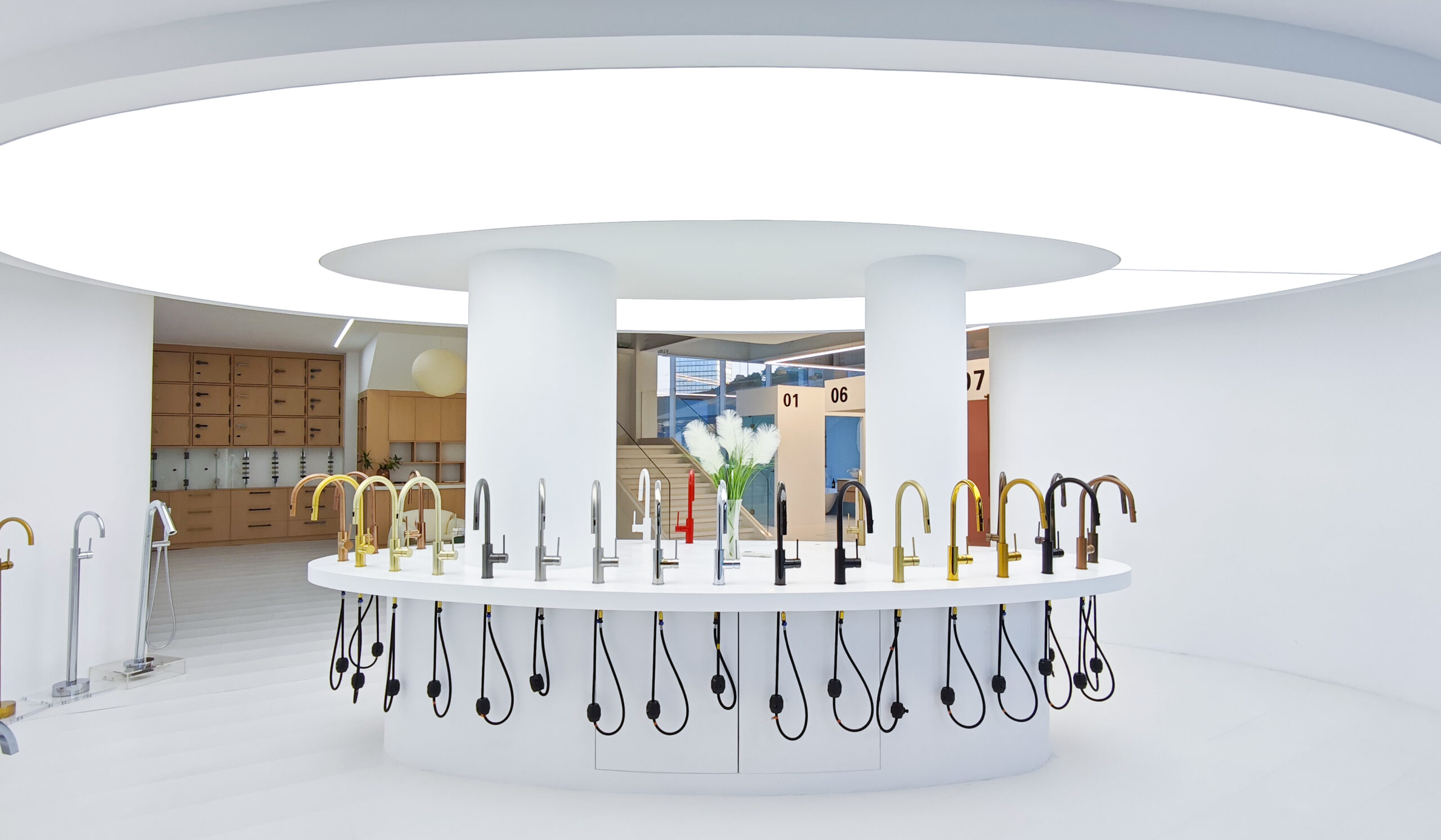
Kaiping (Shuikou): The ‘Kingdom of Faucets’
Kaiping’s ecosystem is built for export-grade brass, making it the lower-risk choice for serious brands.
To talk about Kaiping is to talk about the town of Shuikou. This isn’t just a city with
For a professional buyer, this ecosystem translates directly to risk mitigation. The Shuikou faucet quality is consistent because the independent electroplating houses and component suppliers are all held to the same high standard by their big-brand clients. The variance between the sample approval you sign off on and the 10,000th unit off the line is significantly tighter here.
This is the heartland for any serious brass faucet manufacturer China. Factories in this region have decades of experience as the OEM/ODM backbone for major global plumbing brands. They don’t need to be educated on cUPC requirements or the nuances of low-lead brass specifications; it’s the language they speak. A Kaiping faucet factory audit is often a smoother process for this reason.
Ultimately, choosing Kaiping isn’t just about the individual factory. You’re buying into an environment where the accepted quality tolerance is high and the infrastructure for producing certified, reliable products already exists. It’s the strategically conservative choice for any brand where reputation is on the line.
Wenzhou: The Hub for Volume and Price Competition
Wenzhou’s price advantage is built on material choices.
Let’s be direct. When you hear “Wenzhou,” you should think “volume and velocity.” This is the hub for buyers who need to hit an aggressive price point for large-scale distribution, DIY retail, or price-sensitive projects. The entire ecosystem is engineered for cost reduction, and the primary lever they pull is material substitution. This isn’t a secret; it’s the business model.
Unlike Kaiping’s focus on brass, Wenzhou is the capital of zinc-alloy faucets. For a purchasing manager, this changes everything. Zinc-alloy is significantly cheaper than brass and faster to die-cast, which is how suppliers can offer such attractive FOB pricing. However, it comes with a non-negotiable list of operational trade-offs you must manage.
The fundamental mistake buyers make is comparing a Wenzhou zinc-alloy faucet to a Kaiping brass faucet on price alone. They are different product categories. Zinc alloy is lighter, which end-users often perceive as lower quality. More critically, its long-term performance is vastly different, especially the plating and internal corrosion resistance.
- Material Integrity Risk: The biggest danger is the bait-and-switch. A supplier sends you a beautiful, heavy brass pre-production sample for your `sample approval` process. You sign off. The mass production run, however, is made from zinc-alloy to shave 15-25% off the material cost. Without on-site QC checking material composition, you won’t know until your customers complain a year later.
- Plating Adhesion Failure: Chrome plating on zinc-alloy is notoriously less durable than on brass. It’s prone to blistering and pitting within 18-24 months, especially in humid environments. Your `quality tolerance` for plating defects must be extremely tight, and you should demand salt spray test reports (and verify them).
Sourcing from Wenzhou can be highly profitable, but only if you approach it with your eyes wide open. You are not buying a cheaper version of a premium product. You are buying a product engineered for a specific, lower-cost market segment, and your entire quality assurance and supplier management strategy must reflect that reality.
| Sourcing Factor | Wenzhou’s Typical Profile | Primary Benefit for Buyers | Associated Risk & Mitigation |
|---|---|---|---|
| Primary Materials | Predominantly Zinc-Alloy and other cost-effective metal alternatives. | Significant cost savings, enabling highly competitive market entry and pricing strategies. | Lower durability and corrosion resistance than brass. Mitigation: Require material composition reports and conduct independent verification (e.g., XRF testing). |
| Production Philosophy | Optimized for high-volume, mass-market production with a focus on speed and efficiency. | Economies of scale lead to lower unit costs; ability to fulfill large orders quickly. | Potential for quality inconsistency across large batches. Mitigation: Implement a robust quality control plan with multi-stage inspections (e.g., during production and pre-shipment). |
| Market Focus | Geared towards the domestic Chinese market and price-sensitive export regions. | Products are engineered to meet budget-conscious consumer expectations, perfect for volume-driven wholesale. | May not meet Western certification standards (e.g., cUPC, NSF) by default. Mitigation: Clearly specify all required certifications in the contract and verify compliance. |
| Supplier Landscape | Highly fragmented with numerous factories competing intensely on price. | Strong negotiating leverage for buyers due to intense supplier competition. | Higher risk of ‘quality fade’ over time as suppliers cut corners to maintain low prices. Mitigation: Conduct thorough factory audits and build long-term partnerships rather than chasing the lowest price. |
Comparing Quality, Materials, and Typical Pricing
The 30-50% price gap isn’t a discount; it’s a direct signal of the metal used and the quality control you’ll have to.
Let’s cut to the chase. The typical FOB pricing for a standard Wenzhou faucet can be 30-50% lower than a comparable design from Kaiping. This isn’t magic. This Wenzhou vs Kaiping price difference is almost entirely driven by the primary material: zinc-alloy versus brass. Anyone telling you otherwise is either naive or selling you something.
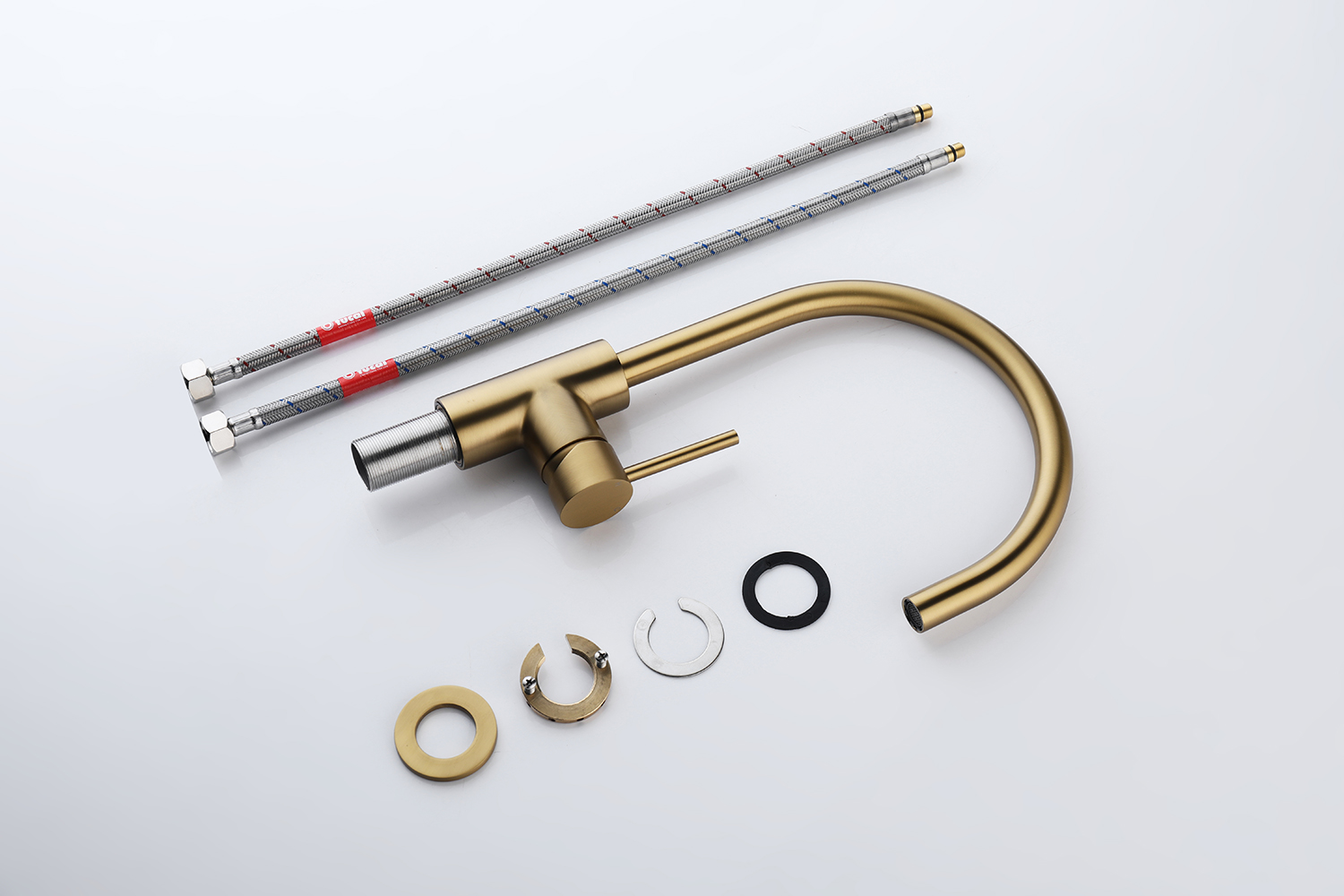
In Kaiping, the ecosystem is built around brass—specifically H59, H62, or lead-free variants required for markets demanding cUPC or WaterMark certification. As a brass faucet manufacturer in China, the expectation is a product that can withstand years of use, hold a premium finish, and pass stringent international standards. This is the baseline for most OEM brands.
Wenzhou, on the other hand, excels at producing Wenzhou zinc alloy faucets for high-volume
- Material Verification: Don’t just accept ‘brass’ on a spec sheet. Demand a material composition report. For a Kaiping supplier, ask for their standard lead-free brass specs. For a Wenzhou supplier, verify the grade of zinc alloy.
- Weight Check: This is the oldest trick in the book. After sample approval, weigh a random unit from the first mass production run. If it’s lighter than your approved sample, they’ve thinned the walls or swapped the material. It’s an immediate red flag.
- Plating Quality Tolerance: Ask for the Neutral Salt Spray Test (NSS) duration. A quality brass faucet should pass 96-200 hours. A low-cost zinc faucet might only be guaranteed for 24 hours. This number tells you everything about its expected lifespan in a bathroom.
| Attribute | Kaiping (Shuikou) | Wenzhou | Key Takeaway for Buyers |
|---|---|---|---|
| Primary Body Material | Predominantly high-grade brass (H59, lead-free), ideal for durability and meeting international standards like cUPC. | Frequently uses zinc-alloy to achieve lower price points; brass is available but requires strict buyer verification. | Kaiping is the lower-risk choice for durable, compliant brass faucets. Wenzhou offers cost savings with zinc-alloy but demands rigorous material testing. |
| Quality & Market Focus | Export-oriented, serving mid-to-high-end global markets. The ecosystem is built for OEM/ODM partnerships with established brands. | Volume-driven, focused on intense price competition for domestic and entry-level international markets. | Choose Kaiping for brand reputation and consistent quality. Choose Wenzhou for market entry and aggressive pricing strategies. |
| Core Components (Cartridges/Aerators) | Mature supply chain for high-quality, branded components (e.g., Sedal, Kerox, Neoperl) is standard. | Defaults to lower-cost, domestic components. Sourcing premium parts is possible but not the norm and requires active management. | Kaiping’s ecosystem simplifies sourcing reliable, long-lasting products. In Wenzhou, you must specify and verify every critical component. |
| Typical Pricing | Higher unit cost due to superior materials and quality control. Represents a lower total cost of ownership (less defects, longer life). | Significantly lower unit cost. The ‘Wenzhou vs Kaiping price difference’ is its main advantage, but may lead to higher long-term costs. | Invest more upfront in Kaiping for reduced risk and brand protection. Opt for Wenzhou for initial cost savings, but budget for QC and potential warranty claims. |
| Best Suited For | Brand Strategists (Sophia) and buyers needing certified, reliable products for projects and established distribution channels. | Price-sensitive Distributors (David) and importers competing on price in high-volume, entry-level segments. | Your business model dictates the best region. Kaiping aligns with quality-first strategies; Wenzhou aligns with price-first strategies. |
Supply Chain & Logistics Differences
Kaiping’s dense cluster de-risks quality; Wenzhou’s fragmented network hides costs and complicates logistics.
Don’t just look at a map and see which city is closer to a port. That’s amateur-hour analysis. The real difference in logistics between Kaiping and Wenzhou lies in the maturity of their respective supply chain ecosystems—the local networks that supply the factories with everything from raw brass to plating services.
Kaiping, and specifically Shuikou town, is one of the most matureChina faucet industry clusters. High-quality
Wenzhou’s supply chain is optimized for one thing: cost. This often leads to a fragmented and opaque network. A Wenzhou factory might give you a fantastic FOB pricing quote, but they could be sourcing zinc handles from one district and steel spouts from another to hit that number. For the buyer, this introduces hidden costs and risks that aren’t on the invoice.
- Inspection Sprawl: Your QC team can’t just visit one factory; to be thorough, they’d need to visit multiple sub-suppliers, driving up audit costs and time.
- Consolidation Headaches: Your container is ready to ship, but it’s waiting on a delayed batch of components from a distant supplier. This happens more than you’d think.
- Root Cause Blindness: When a plating defect appears months later, it’s nearly impossible to trace the source. The factory may have already switched plating shops, leaving you with the warranty claims.
The Wenzhou vs Kaiping price difference you see on paper often shrinks once you factor in managing these logistical risks. For a large-volume distributor with a team on the ground, it can be managed. For a premium brand where a single quality failure can damage your reputation, the integrated supply chain in Kaiping is almost always the smarter long-term play.
Which Region is Right for High-End Brands?
For a premium brand, this isn’t a cost decision; it’s a risk management decision.
Let’s be direct. If you’re building a high-end brand where reputation is everything, you source from Kaiping (Shuikou). This isn’t about patriotism for a region; it’s about the entire ecosystem. The factories there have spent decades building ‘muscle memory’ for the demands of German, American, and Australian brands. They live and breathe export standards.
This means their component suppliers—the ones making the cartridges, aerators, and hoses—are also aligned with international certifications like cUPC or WaterMark. You’re not just buying a faucet; you’re buying into a supply chain that anticipates your quality requirements. The process from initial design to final sample approval is a well-trodden path.
Could you find a good supplier in Wenzhou? Maybe. But the dominant business model there is volume and price competition, often for the domestic market. For a premium brand, this puts the entire burden of quality control on you. You have to be the expert, auditing every single component because their default setting is cost-optimization, not material integrity.
- Material DNA: Kaiping’s expertise is centered on high-grade, low-lead brass. They understand the casting and finishing nuances required for premium export markets. Wenzhou’s strength is often in zinc-alloy, which is a completely different ballgame with a lower margin for error on plating and long-term durability.
- OEM & Design Protection: Kaiping factories are structured for OEM/ODM partnerships. They have systems to protect intellectual property because their largest clients demand it. In a hyper-competitive price market, the temptation to repurpose a successful design is significantly higher.
- Process Reliability: The critical link between the approved pre-production sample and the 10,000th unit off the line is process control. A Kaiping factory serving major brands has the ISO-level systems to ensure that consistency. In a Wenzhou factory chasing volume, you risk ‘mid-run adjustments’ to save a few cents per unit.
Which Region Suits Price-Sensitive Wholesalers?
For pure price competition, Wenzhou is the answer, but your landed cost depends entirely on your QC budget.
Let’s be direct. If your business model is built on being the price leader in your market, your sourcing search will inevitably lead you to Wenzhou. This region’s manufacturing ecosystem is optimized for high-volume, low-cost production, driven primarily by the widespread use of zinc-alloy bodies instead of the heavier, more expensive brass common in Kaiping.
This isn’t a secret; it’s a strategic choice. A zinc-alloy faucet can achieve an FOB pricing that is often 30-50% lower than an equivalent brass model. For a distributor moving tens of thousands of units, that’s a compelling number. However, that unit cost saving comes with non-negotiable risks you must manage proactively.
- Material Risk: Zinc-alloy is more porous and less durable than brass. Chrome plating doesn’t adhere as strongly, leading to a higher likelihood of blistering, peeling, or corrosion within 2-3 years, especially in humid environments.
- Consistency Risk: The pressure to maintain low costs can lead to inconsistencies between the initial sample approval and the mass production run. Wall thickness might be reduced, or the alloy composition might change, impacting the product’s lifespan and performance.
- Reputation Risk: A higher defect rate isn’t just a line item for returns. It directly impacts your brand’s reputation with installers and end-users. Saving $5 per unit is meaningless if it costs you a long-term customer.
Sourcing from Wenzhou can be highly profitable, but only if you budget for rigorous, independent quality control. This means going beyond a simple final inspection. You need in-process checks, plating thickness verification (ideally with an XRF gun), and batch testing to ensure the factory isn’t cutting corners to protect their margin. If you don’t have the infrastructure for that level of oversight, the initial cost savings can quickly evaporate.
| Comparison Factor | Wenzhou (The Price Leader) | Kaiping (The Quality Baseline) | Recommendation for Wholesalers |
|---|---|---|---|
| Primary Business Goal | Achieve the lowest possible unit cost to dominate high-volume, price-sensitive markets. | Offer a reliable, mid-tier product that balances cost with dependable quality and longevity. | Start with Wenzhou for entry-level, high-turnover product lines where price is the primary driver. |
| Material & Cost Structure | Focus on zinc-alloy bodies and lower-cost components to minimize material expenses. | Standardizes on brass (e.g., H59, lead-free), leading to a higher but more stable cost base. | The Wenzhou vs Kaiping price difference is significant; use Wenzhou for basic SKUs but be prepared for material-related limitations. |
| Quality Control & Risk | Higher risk of inconsistency. Requires rigorous, buyer-funded quality control and pre-shipment inspections. | More mature quality systems due to experience with export markets. Generally lower risk of major defects. | When sourcing from Wenzhou, budget an additional 3-5% of your order value for third-party QC to protect your investment. |
| Supplier Relationship | Often transactional, focused on order volume and price negotiation for each batch. | More conducive to building long-term partnerships, as suppliers are accustomed to OEM/ODM relationships. | For a ‘set and forget’ supply chain, Kaiping is safer. For aggressive cost management, Wenzhou is necessary but requires constant oversight. |
| Ideal Product Category | Promotional items, basic replacement faucets, temporary fixtures, and products for DIY/retail channels with low price ceilings. | Core product lines for distribution, light commercial projects, and private-label brands aiming for a mid-market position. | Use Wenzhou to compete with big-box store pricing; use Kaiping to offer a superior alternative to trade professionals. |
Abschluss
The decision between Kaiping and Wenzhou isn’t just about finding the lowest FOB pricing; it’s about aligning a supplier’s production DNA with your market risk. Before you commit to a partner, use this three-question framework to test their operational discipline.
1. Does the supplier agree to provide a material composition report for every batch and contractually commit to a minimum of 59% copper for all brass components? A direct ‘yes’ signals a quality-first mindset typical of Kaiping’s export cluster.
2. Will they accept a specific, measurable quality tolerance for plating thickness and agree to third-party inspections that can reject batches for non-compliance? This separates factories with genuine process control from those that rely on appearance alone.
3. Is their sample approval process contractually binding, where any deviation from the signed-off ‘golden sample’ in the mass run constitutes a default? This is your primary defense against the quality fade that can occur after a purchase order is signed.
The answers you receive will tell you more than a factory tour ever could. To benchmark what a transparent, export-focused supply chain provides, review the material specifications on established brass faucet models built for certified markets.
Frequently Asked Questions
Which region is better for quality faucets, Kaiping or Wenzhou?
Kaiping is the established region for high-quality, export-grade faucets. Its manufacturing ecosystem is built around solid brass and serving major international brands, ensuring higher material and production standards. Evaluate suppliers based on their specific material certifications, not just their city.
Why are Wenzhou faucets so much cheaper?
Wenzhou’s price advantage comes from using lower-cost materials like zinc-alloy instead of the solid brass common in Kaiping. This material choice accounts for the significant price gap but requires more. Always specify your required metal composition and grade in the purchase order.
Should I source from Kaiping or Wenzhou for a premium brand?
For a premium brand, Kaiping is the lower-risk and more suitable sourcing region. The supply chain there is geared towards the quality, certifications, and finishing expected by high-end international. Focus your partner search on Kaiping-based OEM/ODM manufacturers with a history of export.
What’s the main risk of sourcing from Wenzhou?
The primary risk in Wenzhou is material substitution, where a supplier might use zinc-alloy or lower-grade components instead of specified brass. This requires buyers to implement rigorous on-site. Mitigate this risk by working only with suppliers who provide transparent material composition reports.