Selecting a kitchen sink material directly dictates a project’s long-term durability and maintenance profile. A mismatch between material properties and daily usage leads to premature wear, staining, or structural failure, compromising both aesthetics and functionality. Finding the ideal balance between resilient performance and design appeal ensures a high-quality installation.
This guide evaluates leading materials—from stainless steel to granite composites—to help identify the optimal solution. We analyze core performance metrics, maintenance requirements, and manufacturing standards to ensure your selection stands up to years of rigorous use.
What Defines the Best Kitchen Sink Material?
Identifying the ideal sink material requires evaluating how specific physical properties align with long-term project goals. Beyond mere aesthetics, the selection process centers on four technical pillars:
- Structural Resilience: The material must withstand mechanical impacts, thermal shock, and surface abrasion without compromising its integrity.
- Surface Porosity & Hygiene: Non-porous surfaces prevent bacterial growth and permanent staining, directly reducing the maintenance lifecycle and chemical cleaning requirements.
- Design Versatility: The material should offer flexibility in mounting styles—undermount, drop-in, or farmhouse—and integrate seamlessly with diverse cabinetry specifications.
- Total Cost of Ownership (TCO): High-quality materials balance initial procurement costs with low replacement risks and extended lifespans, providing better value for high-traffic environments.
Comparing Different Kitchen Sink Materials
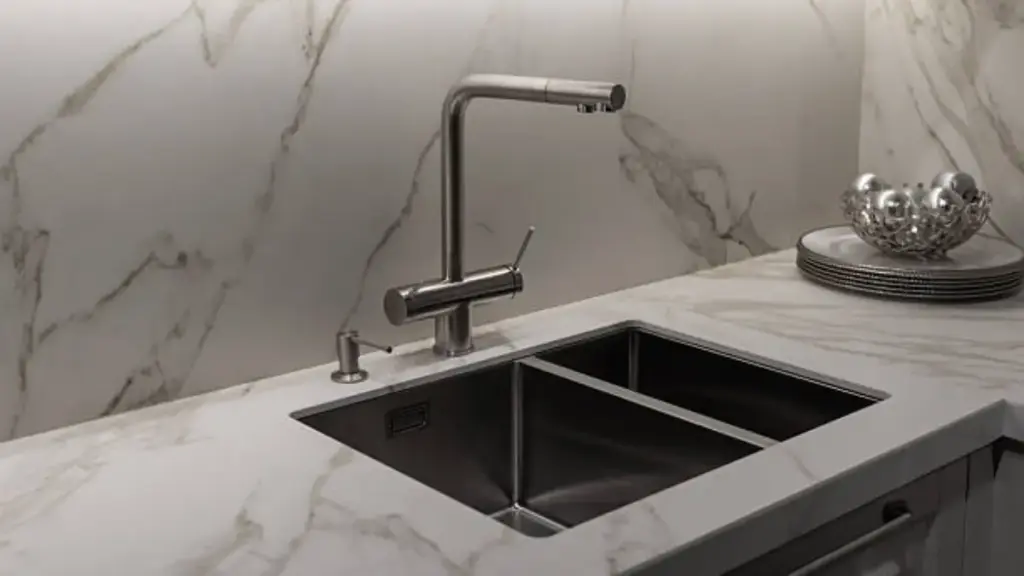
Selecting the right material involves balancing chemical resistance with mechanical strength. Here is a technical breakdown of the industry’s leading substrates.
Acier inoxydable
Typically engineered from SUS304 grade steel, these sinks feature a high chromium and nickel content for superior oxidation resistance. They are the industry standard for hygiene and longevity in both residential and commercial kitchens.
- Avantages : Exceptional thermal shock resistance and high ductility prevent cracking under impact. Non-porous surfaces ensure food safety.
- Inconvénients : Susceptible to surface “hairline” scratches; requires sound-dampening pads to mitigate acoustic resonance during heavy use.
Granite Composite
Manufactured by bonding approximately 80% quartz sand with 20% high-grade acrylic resins, this material offers a stone-like tactile experience with engineered precision. It is the premier choice for modern, high-traffic kitchens.
- Avantages : Boasts a high Mohs hardness rating, making it virtually scratch and chip-proof. Naturally sound-absorbing for a quieter workspace.
- Inconvénients : High structural density results in significant weight, necessitating reinforced cabinetry and professional installation.
Fireclay
Produced by glazing and firing raw clay at temperatures exceeding 2,000°F, fireclay creates a fusion of strength and classic aesthetics. It is synonymous with the premium “Farmhouse” or “Apron-front” aesthetic.
- Avantages : The ultra-dense glaze is impervious to acids and heavy staining. It offers a unique, handcrafted depth that synthetic materials cannot replicate.
- Inconvénients : The rigid, glass-like surface can chip or crack under extreme mechanical impact from heavy cookware.
Céramique
Ceramic sinks utilize a clay-based body coated in a protective vitreous china glaze. While common in traditional utility settings, they provide a clean, high-gloss finish for light-to-medium duty kitchens.
- Avantages : Highly cost-effective with a timeless aesthetic. The glazed surface resists common household chemicals and fading.
- Inconvénients : Lower impact resistance compared to composites; the glaze may develop “crazing” (fine cracks) over long-term thermal cycling.
Cast Iron
Constructed from a solid iron base coated in a thick layer of porcelain enamel, these sinks are built for multi-generational durability. They evoke a vintage, heavy-duty industrial feel.
- Avantages : Incredible heat retention and a lustrous, deep finish. The sheer mass of the iron naturally eliminates vibrations and noise.
- Inconvénients : The enamel coating can be compromised by sharp impacts, exposing the iron beneath to potential rust if not repaired promptly.
Quick Comparison Table
| Matériel | Durability (Impact/Heat) | Maintenance | Coût | Aesthetic | Noise |
| Acier inoxydable | ⭐⭐⭐ 18/10 SUS304; 2800°F heat limit. | ✅ Non-porous; hygienic. | Economy-Mid | Modern / Satin | High (Needs Pads) |
| Granite Composite | ⭐⭐⭐⭐ 8.0 Mohs Hardness; 530°F heat. | ✅✅ Hydrophobic; Stain-proof. | Premium | Stone / Matte | Silent (Dense) |
| Fireclay | ⭐⭐ 2000°F+ Fired; Brittle. | ✅ Acid-resistant glaze. | Haut | Classic / Gloss | Faible |
| Céramique | ⭐ Vitreous China; Impact prone. | ⚠️ Avoid harsh chemicals. | Budget | Timeless / White | Modéré |
| Cast Iron | ⭐⭐⭐ Indestructible Core; Enamel chip risk. | ⚠️ Non-abrasive only. | Premium | Vintage / Lustrous | Silent (Heavy) |
Durability and Long-Term Performance
Selecting a sink material requires balancing mechanical resilience with thermal stability to ensure the fixture survives the rigors of a high-traffic kitchen.
Scratch and Impact Resistance
Surface hardness is the first line of defense against daily wear. While most materials offer basic protection, granite composites lead with a high Mohs rating, virtually eliminating scuffs from heavy cookware. For those preferring the industrial reliability of metal, high-gauge options like the Watersino Stainless Single Bowl Kitchen Sink utilize premium SUS304 steel to provide superior ductility, allowing the surface to absorb heavy impacts without cracking or chipping.
Heat and Corrosion Resistance
Thermal shock remains a primary cause of structural failure in lower-grade fixtures. Vitreous materials like fireclay may develop “crazing” or hairline fractures when exposed to rapid temperature shifts. In contrast, engineered solutions such as our SS 304 Single Bowl Kitchen Sink are rated for extreme heat, allowing for the direct placement of boiling pots without surface discoloration or compromising the integrity of the anti-condensation coating.
Lifespan in High-Use Environments
The true value of a sink is measured by its performance over decades, not months. While enamel-coated cast iron offers vintage charm, it eventually requires resurfacing. For maximum ROI in commercial or luxury residential projects, SUS304 stainless steel and quartz composites remain the benchmark, offering a non-reactive surface that resists chemical corrosion and maintains its structural profile through generations of intensive use.
Cost and Installation Factors
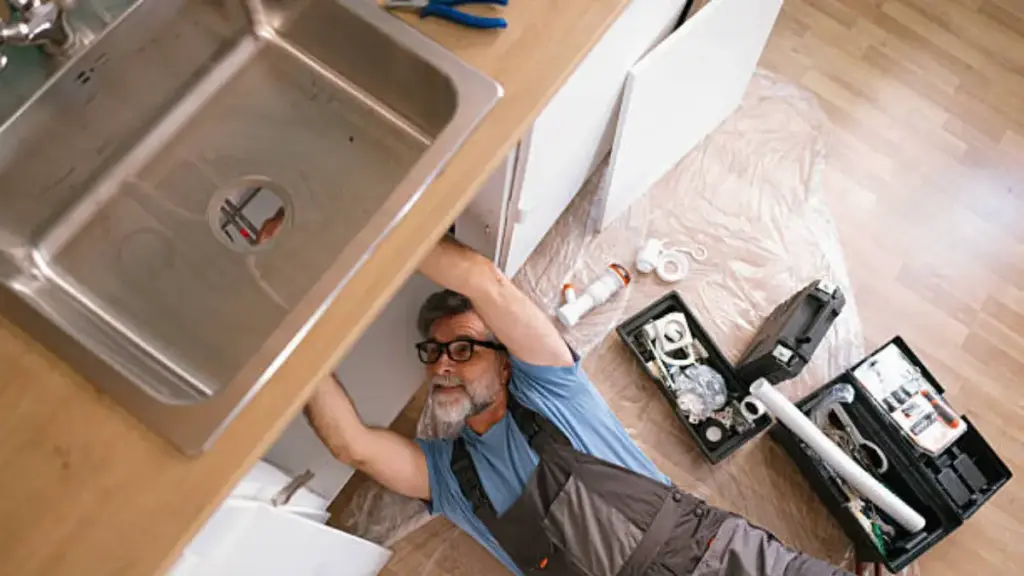
Strategic budgeting requires evaluating the initial unit price against total project overhead.
Material and Manufacturing Costs:
- Stainless Steel (SUS304): Ranges from $100 to $500; the most cost-effective solution for high-volume projects.
- Ceramic & Vitreous China: Ranges from $150 to $600; offers a budget-friendly alternative to premium stone.
- Granite Composite & Fireclay: Ranges from $400 to $1,200+; reflects high-pressure molding and 2,000°F+ kiln-firing costs.
- Enamel Cast Iron: Ranges from $600 to $2,000; high-end pricing due to raw material mass and multi-layer coating.
Installation Complexity and Labor Cost:
- Drop-in / Top-mount: Lowest labor requirement; compatible with standard countertop cutouts.
- Undermount / Integrated: Moderate complexity; requires precise edge finishing and high-strength adhesive bonding.
- Farmhouse / Apron-front: Highest labor cost; necessitates custom cabinetry modification and reinforced structural bracing.
Weight and Transportation Considerations:
Material density dictates logistics expenses. Shipping high-mass units like Cast Iron or Fireclay can increase freight costs by 200-300% compared to lightweight steel. These weight-sensitive materials also require multi-person handling on-site, directly impacting the total labor budget for large-scale developments.
Maintenance and Hygiene
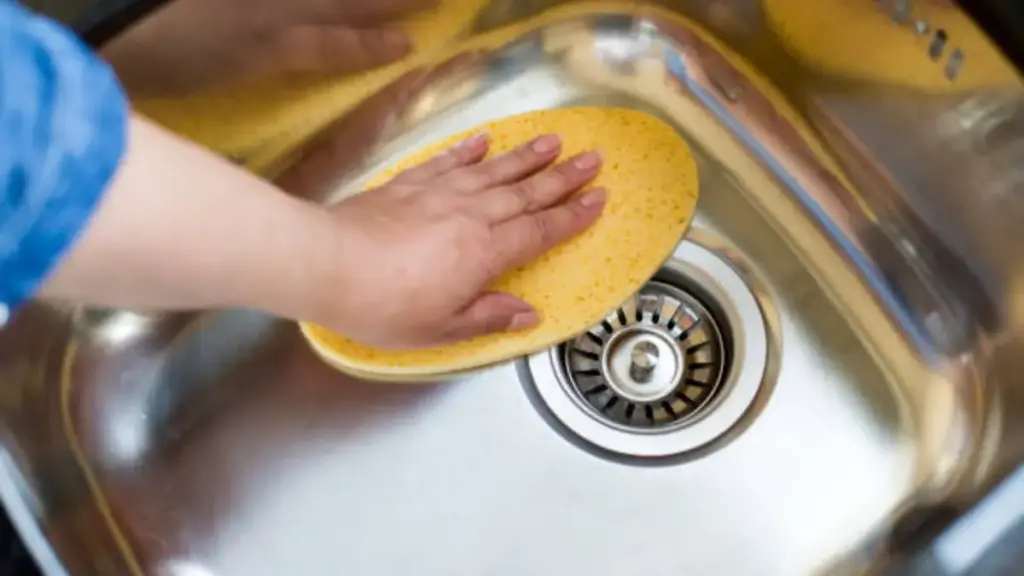
Maintaining a sterile kitchen environment requires understanding the surface chemistry of each substrate. Beyond routine wiping, specific protocols ensure both longevity and user safety.
Stainless Steel & Granite Composites: These non-porous surfaces naturally inhibit bacterial growth. To prevent limescale buildup and surface oxidation, rinse with warm water and dry with a microfiber cloth after each use. Avoid steel wool, which can leave carbon steel particles that lead to localized rusting.
Vitreous Glazes (Fireclay & Ceramic): These high-fired surfaces are chemically inert and food-safe, releasing zero VOCs or heavy metals. Use mild, pH-neutral detergents to preserve the glaze’s integrity. Avoid abrasive scouring powders that can create microscopic scratches, which harbor pathogens over time.
Enamel Cast Iron: Requires non-acidic cleaners to prevent etching. For stubborn stains, a baking soda paste provides an effective, non-toxic solution that protects the lustrous finish without compromising the underlying iron core.
Prioritizing lead-free and non-toxic material certifications ensures that your sink surface remains a safe zone for food preparation, directly impacting the overall hygiene standards of your project.
Conception and Customization Options
Architectural versatility allows a kitchen sink to transition from a basic utility to a high-performance centerpiece. Modern manufacturing enables precise tailoring to specific cabinetry and spatial requirements.
Size, Shape, and Mounting Flexibility
Professional configurations must align with the kitchen’s workflow and countertop substrate. We provide extensive options for diverse project scales:
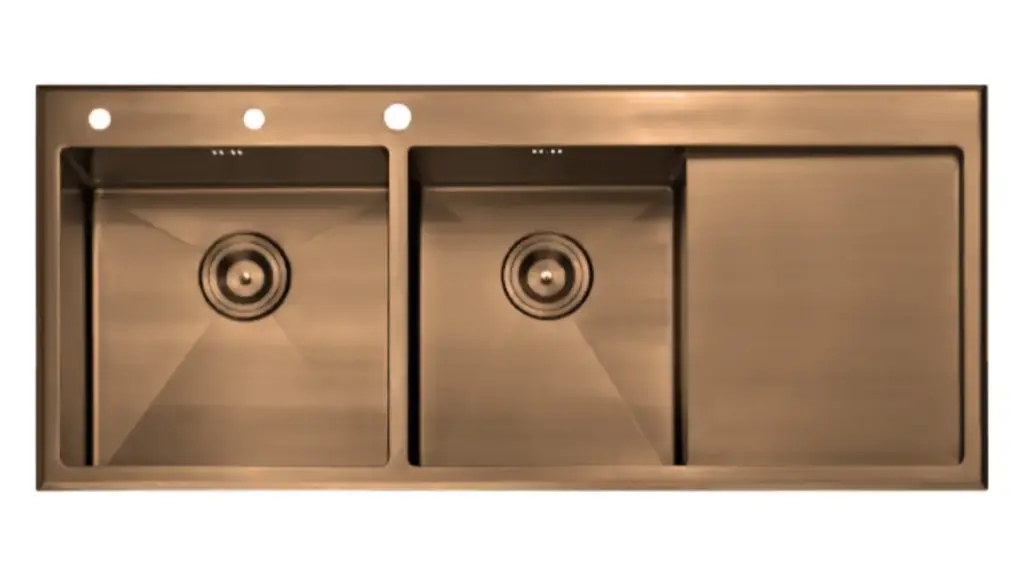
- Capacity & Configuration: Choose from compact single-bowl units, high-capacity double-bowl systems, or models with integrated drainboards.
- Geometric Shapes: Options range from crisp zero-radius square basins for a modern look to ergonomic curved bowls for easier cleaning.
- Mounting Profiles: Engineered for top-mount (drop-in), undermount, or apron-front (farmhouse) installations to ensure structural alignment with various stone or laminate surfaces.
Color, Finition, and Surface Texture
Surface treatments dictate the kitchen’s visual hierarchy and long-term wear resistance:
- Granite Composites: Available in a spectrum of organic matte tones like charcoal, sand, and concrete grey.
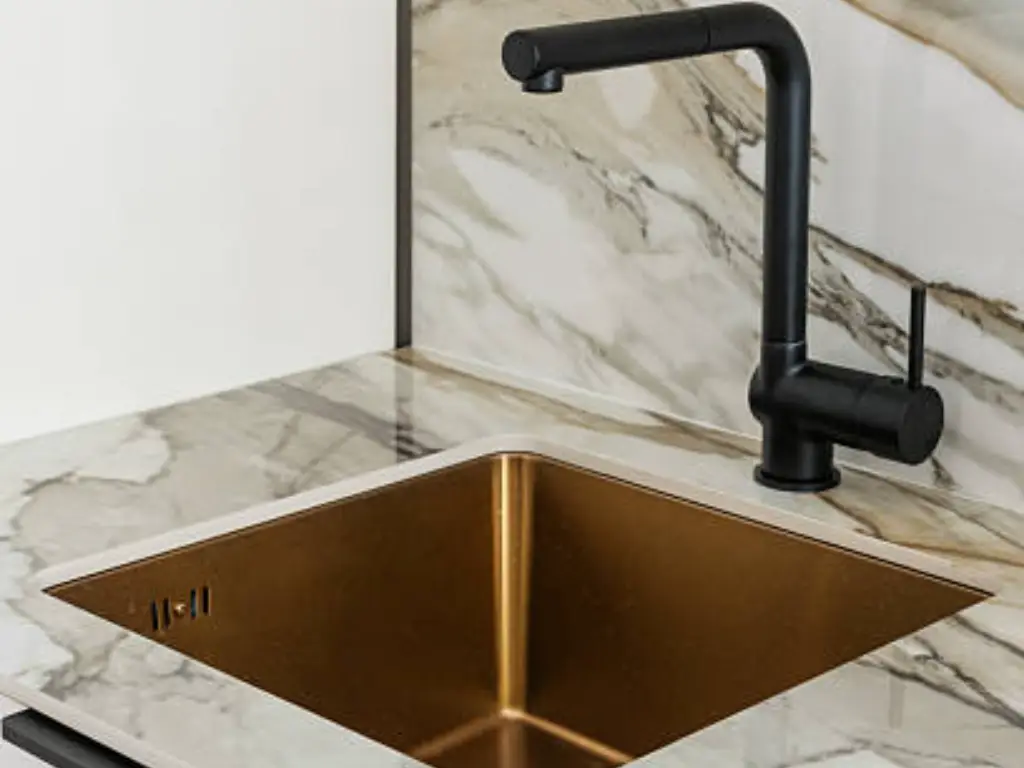
- Stainless Steel Finishes: Beyond standard brushed or satin, we offer high-end PVD nanotechnology coatings in gold, rose gold, and gunmetal.
- Hardware Integration: These finishes are designed to complement essential fixtures, ensuring a cohesive aesthetic when paired with a matching pull-out or pull-down kitchen faucet.
OEM/ODM Customization Capabilities
For large-scale projects and proprietary brand development, our OEM/ODM services transform standard fixtures into bespoke assets:
- Technical Specifications: Customization extends to precise dimensions, bespoke drainage hole placements, and specialized sound-dampening pad thickness.
- Functional Add-ons: We offer integrated accessory ledges for colanders and cutting boards, providing a complete workstation solution.
- Global Standards: Every unit is precision-engineered to meet the specific technical and branding demands of international distributors and high-end developers.
Best Materials for Different Applications
Not all kitchen sinks are created equal, and depending on your needs, some materials are better suited for specific kitchen environments. Here’s a breakdown:
High-Traffic & Professional Kitchens
Stainless Steel (SUS304) and Granite Composite are the industry standards for rigorous use. Their high Mohs hardness and thermal shock resistance allow them to withstand heavy cookware, constant cleaning, and high-volume food preparation without structural fatigue.
Luxury & Period Renovations
For upscale “Farmhouse” or vintage designs, Fireclay and Enamel Cast Iron provide an authentic, handcrafted aesthetic. Their deep, lustrous finishes offer a level of material depth and sound-insulation that synthetic alternatives cannot replicate, making them ideal for premium residential projects.
Multi-Unit Developments & Budget-Conscious Projects
Ceramic and Entry-Level Stainless Steel offer the best return on investment. These materials provide a clean, timeless look while keeping procurement and logistics costs manageable without compromising essential hygiene standards.
How to Choose the Right Manufacturer
When it comes to choosing a manufacturer for your évier de cuisine, especially if you’re opting for custom designs or specific materials, there are a few things to keep in mind:
- Contrôle de qualité: Ensure the manufacturer maintains strict quality control processes, especially when dealing with materials like granite composite or fireclay. The consistency of the product is crucial, as even small inconsistencies can affect the overall durability and aesthetic of the sink.
- Experience: Look for manufacturers who have a solid track record in producing the specific type of sink you want. Kitchen sink brands that specialize in high-end materials, such as granite composite or cast iron, are often better equipped to handle the complexities of these materials.
- Customization Capabilities: If you have specific design requirements, ensure that the manufacturer can meet them. A good manufacturer will offer flexibility in terms of size, shape, and finish. Some manufacturers even offer specialized customization for commercial projects.
- Customer Support: It’s important to choose a manufacturer that offers reliable customer service. Whether it’s helping with the design process or addressing installation concerns, a supportive manufacturer can make your project smoother.
- Reputation and Reviews: Do some research into the reputation of the manufacturer. Look at reviews and testimonials from previous clients to gauge the overall satisfaction with the product and service.
At Watersino, we bridge the gap between industrial durability and bespoke design. Our production lines specialize in high-performance stainless steel and composite solutions, offering the scalability and customization required for global distribution and luxury developments. Contact our engineering team today for a custom quote or technical consultation
A sink is not merely a fixture; it is the silent anchor of every culinary story.