In the eyes of the international sanitary ware industry, a faucet is far more than merely a simple water-dispensing device; it serves as the concentrated embodiment of quality, sanitary aesthetics, and design. For distributors and importers, navigating and complying with the myriad regulatory requirements across the globe undoubtedly constitutes a formidable and challenging undertaking. Getting it right builds your reputation; getting it wrong can lead to expensive headaches and product recalls.
This article breaks down the essential faucet quality standards that every global buyer needs to check before placing an order. We will take you on a deep dive into key benchmarks—ranging from ISO certification to CE compliance—as well as the critical faucet testing protocols that distinguish superior manufacturing faucet quality standards from the rest. Once you have mastered these essentials, you will be better equipped to accurately identify high-quality faucet brands, thereby providing a robust safeguard for your business within this highly competitive market. Furthermore, we will briefly explore how companies like Watersino continuously elevate industry standards by offering faucets that are certified, durable, and impeccably designed.
Getting the Basics Right: Understanding Key Certifications
For any importer, various product certifications are far more than just decorative certification marks printed on packaging boxes; they constitute a critical checklist item for global importers—serving as the essential “passport” for products entering specific markets. If importers base their decisions solely on unsubstantiated faucet quality ratings found online, they often expose themselves to significant risks.Instead, checking for third-party certifications is the smart way to make sure the product actually meets the legal and performance rules of your target country.
ISO Certification: How the Factory Runs
ISO certification (especially ISO 9001 for Quality Management) doesn’t test the faucet itself. What it does is certify that the factory has proper quality control processes in place. If a manufacturer has ISO 9001, it shows they care about things like traceability, stopping defects before they happen, and always trying to improve. It’s a good sign they know what they’re doing.
CE Compliance vs. National Standards
Here’s something that often confuses people in the industry: CE marking for faucets. Unlike electronics, there isn’t a single European rule for sanitary fittings, so there’s no official “CE Marking” for plumbing products. However, when the CE compliance of faucets is discussed, it typically refers to the requirement that products must adhere to specific European performance standards (i.e., EN standards)—standards that frequently serve as mandatory prerequisites for market access approval in various national markets. Therefore, if you intend to enter the EU or UK markets, do not simply accept a generic CE mark at face value. It is imperative that you demand concrete evidence from your suppliers demonstrating that the faucet in question genuinely complies with specific standards—such as EN 817 for mixing valves, or EN 200 for standard faucets.
Making Sure They Last: Faucet Testing Procedures
Ensuring Longevity: Faucet Testing Procedures To put it bluntly, a faucet is worthless if it starts leaking after just a month of use. This is why standardized faucet testing protocols are so important. Certified labs simulate years of typical usage conditions to rigorously assess a product’s durability and reliability.
- Leak Testing: Faucets must be capable of withstanding high water pressure (typically tested at pressures reaching 80 psi or higher) without exhibiting any signs of dripping or leakage. Reputable faucet brands place a high priority on this specific test.
- Durability Testing: This test involves repeatedly actuating the faucet’s handle or sensor mechanism thousands of times to ensure the longevity and resilience of its internal components. High-quality brands typically subject their products to 500,000 cycles—or even more—of such testing.
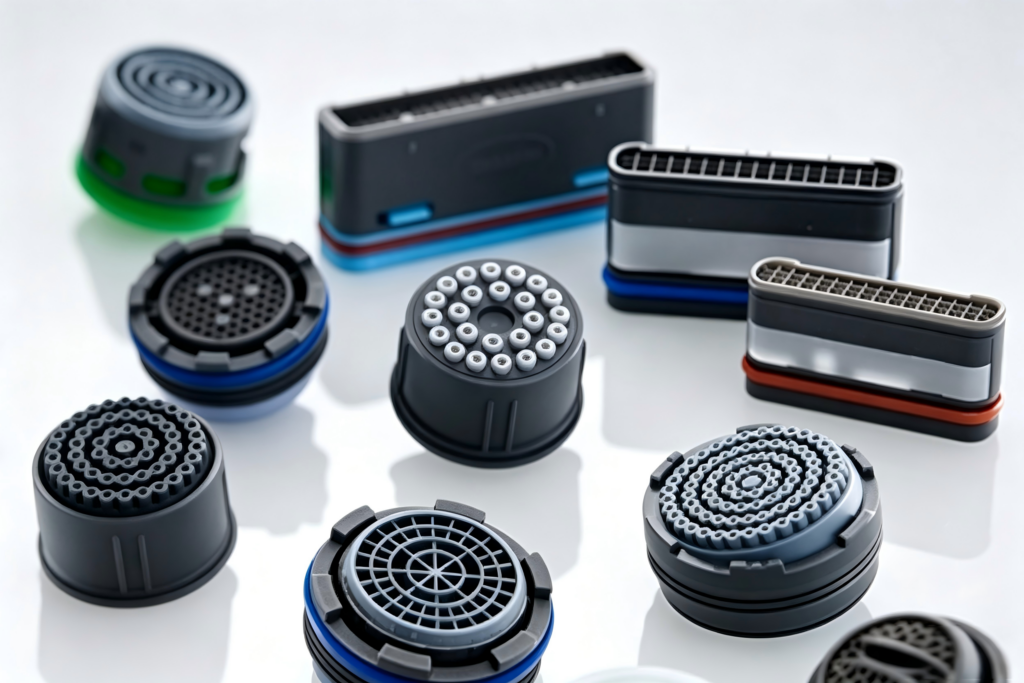
- Flow Rate Testing: Particularly in North America and Europe, various regions have established specific water conservation regulations. For instance, the U.S. Environmental Protection Agency’s (EPA) “WaterSense” labeling program mandates that bathroom faucets must not exceed a maximum flow rate of 1.5 gallons per minute. Leading brands utilize high-quality aerators to meet these regulatory requirements while simultaneously ensuring that users do not experience any inconvenience due to insufficient water pressure.

Materials and Health: The Lead-Free Rule
One of the most critical health standards for faucets is about lead in drinking water. In the United States, all faucets must follow the Safe Drinking Water Act. This limits the lead content in parts that touch water to no more than 0.25%. This is usually checked through standards called NSF/ANSI 61 and NSF/ANSI 372.
As an importer, you need to verify these claims. Cheaper materials like zinc alloy or poor-quality brass can rust and release metals into the water. Reputable manufacturers use solid brass or stainless steel (SS304/SS316). This focus on good materials is what separates the real quality faucet brands from the rest.
Different Markets, Different Rules
It’s important to remember that faucet rules aren’t the same everywhere. Different regions have their own approval processes:
- North America: Look for CUPC certification or Watermark certification. These show the faucet meets the local plumbing codes.
- Europe: While there’s no single EU mark, countries like Germany, France, and the UK have their own approval systems. For example, the UK requires WRAS approval, which refers back to European EN standards.
- Australia: The WaterMark certification is required by law for plumbing products there.
A Quick Look at Watersino: Quality in Practice
When you’re looking for suppliers, it helps to find partners who see compliance as part of their value, not just a box to tick. Watersino is a good example of this approach. With over 21 years in the business, they’ve designed their products to meet tough global requirements.
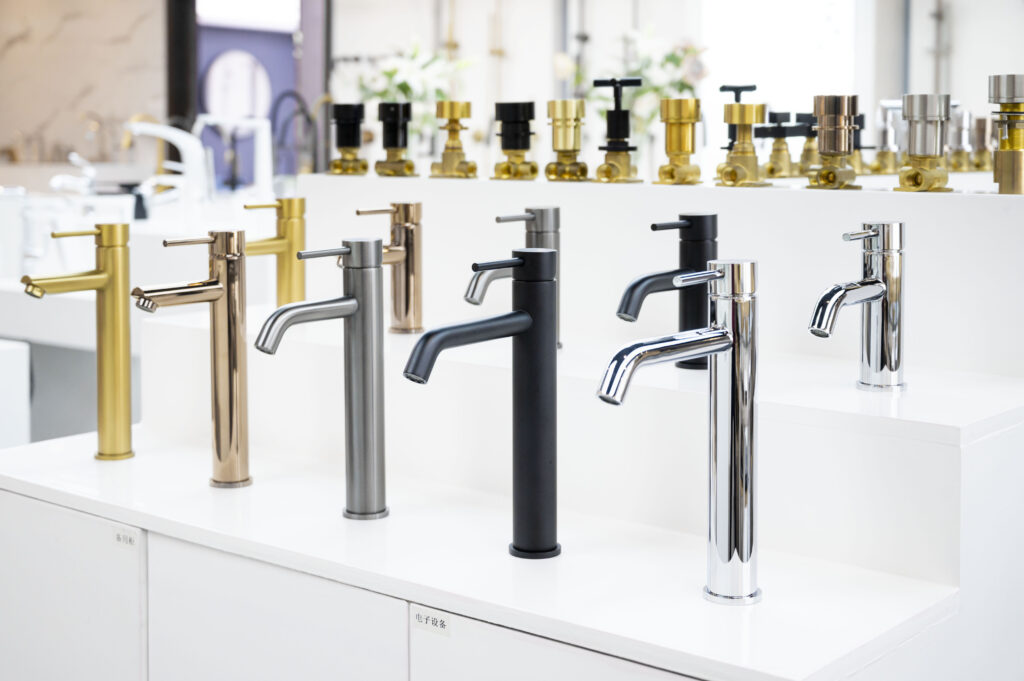
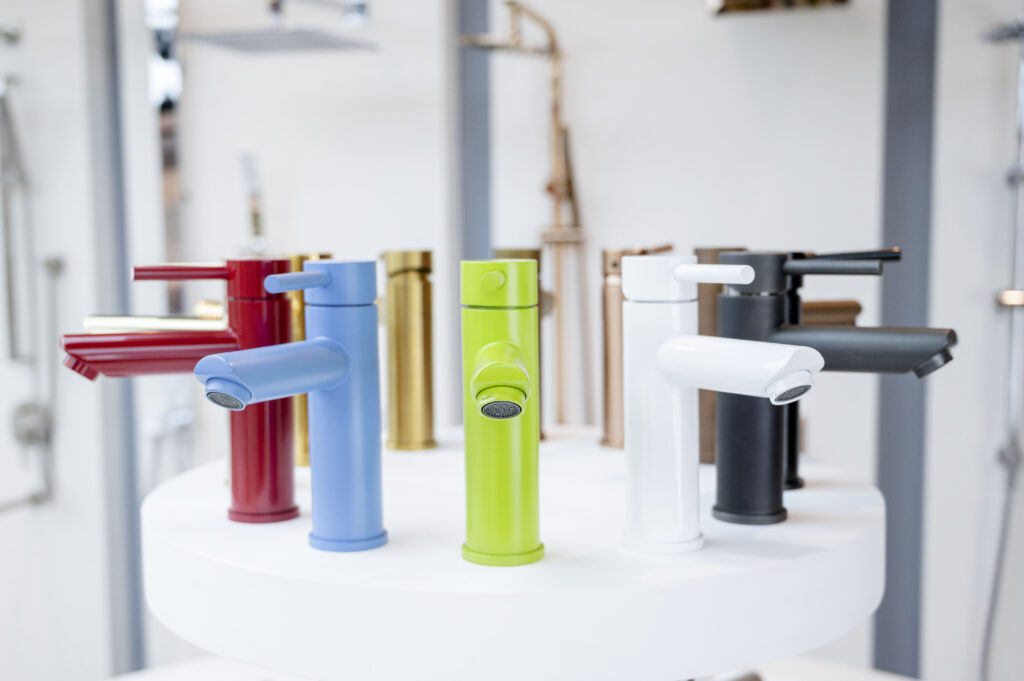
Their touchless commercial faucets, for instance, focus on hygiene, but they’re also backed by a solid 7-year warranty on the faucet body and a 3-year guarantee on their PVD finishes. A warranty like that shows they have real confidence in their manufacturing. They also offer over 30 different finishes, including durable PVD options like Brushed Gold and Gun Metal, which lets importers serve high-end architectural projects without worrying about the finish wearing off.
For importers, partnering with a firm like Watersino helps mitigate risks associated with certification compliance and minimizes the likelihood of post-sales product quality issues. We provide comprehensive end-to-end management—from product design all the way through to packaging and shipping. Consequently, whether you require custom-designed faucets for mass production or simply need in-stock samples for your showroom, you can count on consistent, unwavering product quality.
Conclusion
Understanding faucet quality standards—from ISO and CE compliance to specific regional certifications and testing procedures—helps you make smarter choices. It lets you look beyond just price and focus on real value, reliability, and building a brand you can be proud of.
When you partner with established manufacturers who are open about their faucet testing procedures and hold proper certifications, you protect your business and your customers. Whether you’re sourcing modern designs for a European hotel or durable sensor taps for a North American office, choosing a reliable partner means every faucet you import is a solid product that will last.
Ready to source faucets that meet high global standards? Take a look at the certified collections at Watersino and build a supply chain you can actually trust.
ISO certification (like ISO 9001) certifies that the factory has good quality management systems. It’s about how the factory runs. CE compliance is trickier because there’s no official EU-wide CE mark for faucets. When people say “CE compliant,” they usually mean the faucet meets certain European performance standards (EN standards) that some countries require for local approvals.
This is a big one, especially for the US market. NSF/ANSI 61 certifies that the materials touching drinking water are safe and meet health requirements. It specifically limits how much lead can get into the water. If you see this on a box, it means the faucet meets the lead-free rules of the Safe Drinking Water Act.
Yes, they do. Watersino designs their products to meet various international standards. For example,their popular touchless faucet models carry the official Australian Watermark certification, and most of their products are certified with CE, Watermark, and UPC standards.
PVD (Physical Vapor Deposition) is a high-tech finishing process that makes the faucet really resistant to scratches, corrosion, and fading. Unlike regular plating, PVD finishes (like Brushed Gold or Gun Metal) last much longer.
Yes, good suppliers offer OEM and ODM services. Watersino does a lot of customization, including laser LOGO application, and custom gift boxes with protective foam to keep things safe during shipping.